




























































If you’ve ever caught yourself admiring how someone your age or older is absolutely smashing this whole ageing lark, good news — because you can too.
You’ve probably spotted it out in the world with Meryl Streep getting better with every decade, Michelle Yeoh winning awards at sixty, George Clooney ageing like a double espresso, Angela Bassett looking like she runs on premium-grade confidence. They make ageing look cinematic but this isn’t a Hollywood-exclusive skill.
Sure, they have glam teams, but the fundamentals behind that fine-wine glow are fully accessible. It’s the habits and mindset that help your body and brain stay steady as the years climb. And those are completely within reach. It’s manageable, practical, and deeply human.
Also read: Want to Stay Strong as You Age? Eat Like This
Why ageing well matters more after fifty
Ageing well becomes especially powerful once you reach your fifties because your body finally gives you reliable feedback.
Not criticism, but commentary. Like how joints remind you when they’ve been ignored. Recovery takes longer. Balance gets trickier. Sleep becomes more sensitive. Your metabolism takes a more leisurely pace, as though it’s enjoying semi-retirement.
Balance gets trickier. Sleep becomes more sensitive. Your metabolism takes a more leisurely pace, as though it’s enjoying semi-retirement.
But none of this means decline. It means your body needs different care now.
Researchers have been mapping this for decades, and long-running studies on human wellbeing consistently show that lifestyle choices have a stronger impact on long-term health than genetics. In other words, what you do now matters.
Movement that keeps your body in play
If there’s one non-negotiable for ageing well, it’s movement. Not punishing workouts. Not high-performance routines. Just movement that keeps your joints cooperative, your muscles awake, and your heart steady enough to climb the stairs without making an announcement about it.
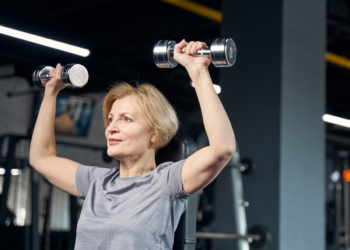
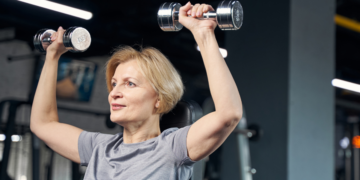
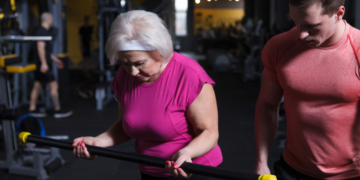
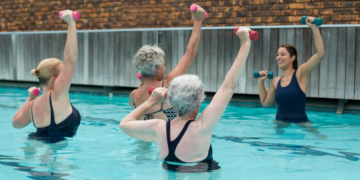
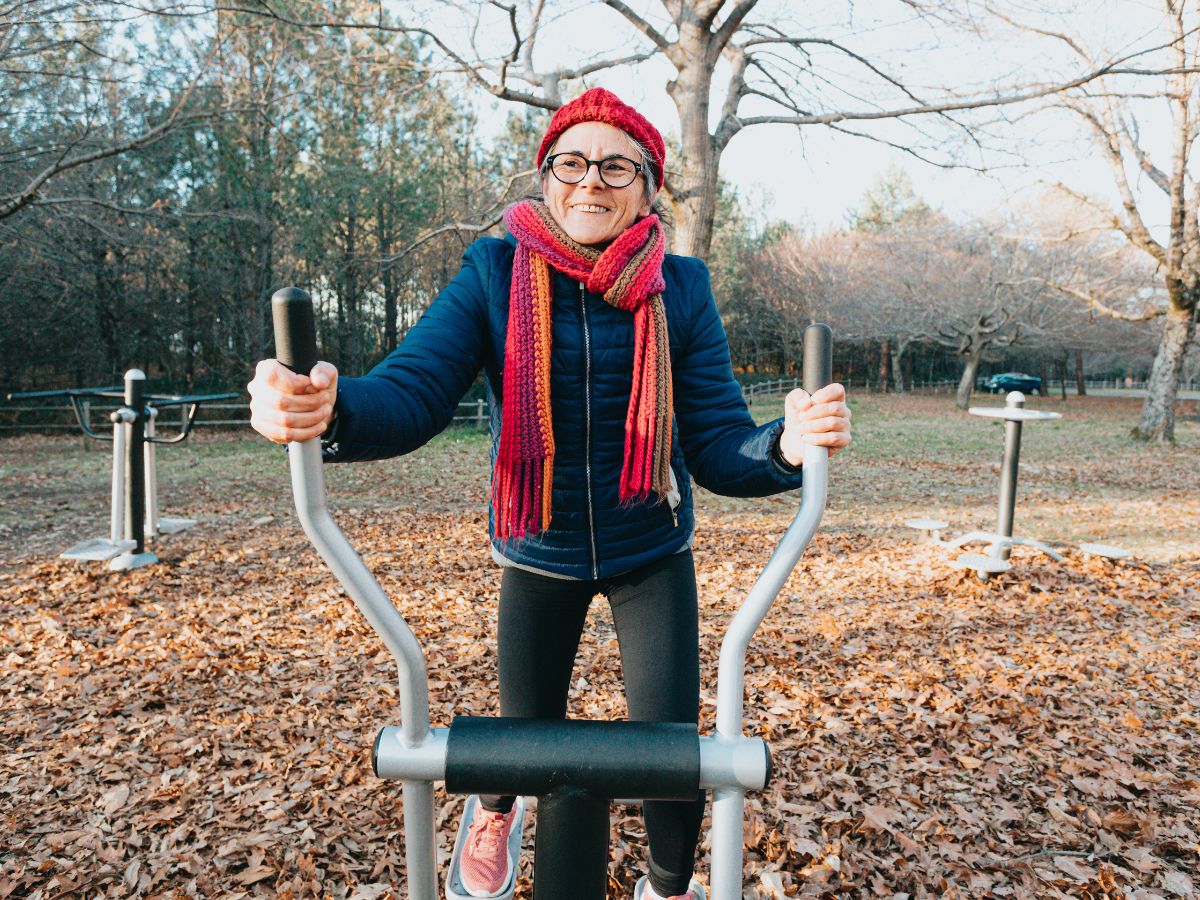
Strength training becomes essential here. Muscle mass naturally declines with age, but resistance training slows that down dramatically. Even two sessions a week can make a measurable difference. Pair it with steady, enjoyable cardio like walking, swimming, cycling, dancing like no one’s watching, and you’ve got a recipe that supports your heart and keeps your energy levels from flatlining by mid-afternoon.
This isn’t just feel-good advice. Experts consistently link regular physical activity with a reduced risk of chronic diseases in older adults. The key is consistency, not intensity. Even short “movement snacks” after meals can help your body steady its energy and stay limber.
Food that supports your future self
Your fifties come with new nutritional priorities. Protein becomes non-negotiable if you want to maintain muscle and prevent fatigue. Hydration becomes easier to forget but more important than ever. Fibre helps digestion behave itself. Healthy fats keep your brain sharp. Whole foods support everything from your bones to your mood.
Hydration becomes easier to forget but more important than ever. Fibre helps digestion behave itself. Healthy fats keep your brain sharp.
Older adults often underestimate their protein needs, and research shows those needs actually increase with age. This doesn’t mean you need to overhaul your entire diet. It means making small, strategic upgrades like having more lean protein, more colourful produce, fewer processed fillers, enough water, and meals that stabilise your energy instead of sending you on a roller-coaster.
The goal isn’t dieting. It’s fuelling your body so it keeps up with the lifestyle you want, not the lifestyle gravity thinks you deserve.
Your mind deserves intentional care too
Ageing well includes your brain. Cognitive changes after fifty are normal, but they’re not inevitable. Your brain loves novelty. It loves challenge. It loves learning, problem-solving, conversation, and creativity. So give it more of that.
Cognitive changes after fifty are normal, but they’re not inevitable. Your brain loves novelty. It loves challenge.
Read new genres. Try a hobby you always said you’d explore “when you have time.” Learn skills that feel mildly intimidating. Your brain thrives when it’s engaged, and mental stimulation supports memory, focus, and emotional resilience.
And let’s talk stress. It hits differently in midlife. Mindfulness, breathwork, and small daily moments of calm aren’t fluff; they’re tools — tools that help regulate your nervous system, lower inflammation, and make everything else easier to manage. You’re not trying to become a monk. You’re just trying to keep your mind from running marathons without your permission.
Connection keeps you alive, literally
Social connection also becomes increasingly important after fifty. Loneliness, especially in midlife, can affect health as seriously as smoking or obesity. Staying connected is protective.
Loneliness, especially in midlife, can affect health as seriously as smoking or obesity.
Community groups, regular catch-ups and shared hobbies help create a sense of belonging. They also bring comfort, laughter and perspective, and they support your emotional health in ways nothing else can. And there’s a quiet truth woven into all of it: you never know when someone might drift away or be gone, which makes showing up for the people who matter even more worthwhile.
Choosing vitality on purpose
Ageing after fifty isn’t a downward slope. It’s a redesign — a chance to build habits that support your future body, future mood, and future independence. There’s no need for perfection or trends. What matters is showing up for yourself with consistency, kindness, and a bit of humour when something creaks.
It isn’t about being the youngest-looking person in the room. It’s about being the most alive person in the room — the one who wakes up feeling capable and goes to bed feeling satisfied. The one who invests in the next few decades with confidence, curiosity, and a touch of mischief. After all, fine-wine ageing has nothing to do with the bottle; it has everything to do with what’s inside.
And you have plenty of good years left to pour.