





















































The internet’s full of weight-loss trends that promise miracle results: “Drop 10 pounds in a week!” “Melt fat while you sleep!” It sounds magical until you realise you’re just knackered, peckish, and one rough day away from demolishing a pizza.
The truth?
Real, sustainable weight loss isn’t about deprivation or punishment. It’s about balance, patience, and learning to make choices that feel good long after the “before-and-after” photos fade. Think of it less as a diet and more like a lifelong friendship with your body — one built on trust, respect, and, yes, the occasional brownie.
Key Takeaways
- Real, sustainable weight loss involves small, manageable changes rather than extreme measures.
- Mindful eating and controlling portion sizes are crucial for effective weight management.
- Creating a healthy environment at home, with easily accessible nutritious snacks and balanced meals, supports long-term lifestyle changes.
Small changes, big pay-offs
You don’t have to flip your entire lifestyle overnight. In fact, drastic measures like juice cleanses or extreme fasting often backfire: your body rebels, your mood tanks, and suddenly, a bag of crisps looks like true love. So instead of setting fire to your cupboard, start small.
Drink your water, not your calories
Juices, fizzy drinks and sweetened coffees can quietly sabotage your efforts. Liquid calories go down faster than your willpower at a school cake sale. Instead, make water your trusty sidekick; infuse it with lemon, mint or fruit slices for a flavour that feels rather fancy.
And if you’re thinking, “What about diet fizzy drinks?”—well, moderation is key. Artificial sweeteners might trick your brain into wanting more food later. The best bet? Stick mostly to water and let the odd diet drink be a treat, not your default.
Prep like a pro
Cooking at home may sound like a faff, but it’s the ultimate power move. You control the ingredients, the portions and the seasoning (finally, a meal that isn’t swimming in oil). Meal prepping doesn’t have to mean spending Sunday chained to the hob; just bank a few grab-and-go options. Chop veg, boil eggs or pre-pack snacks. Future you will thank present you.
Balance, don’t ban
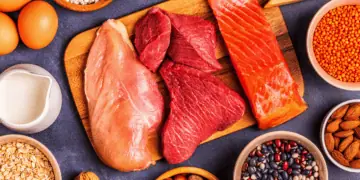
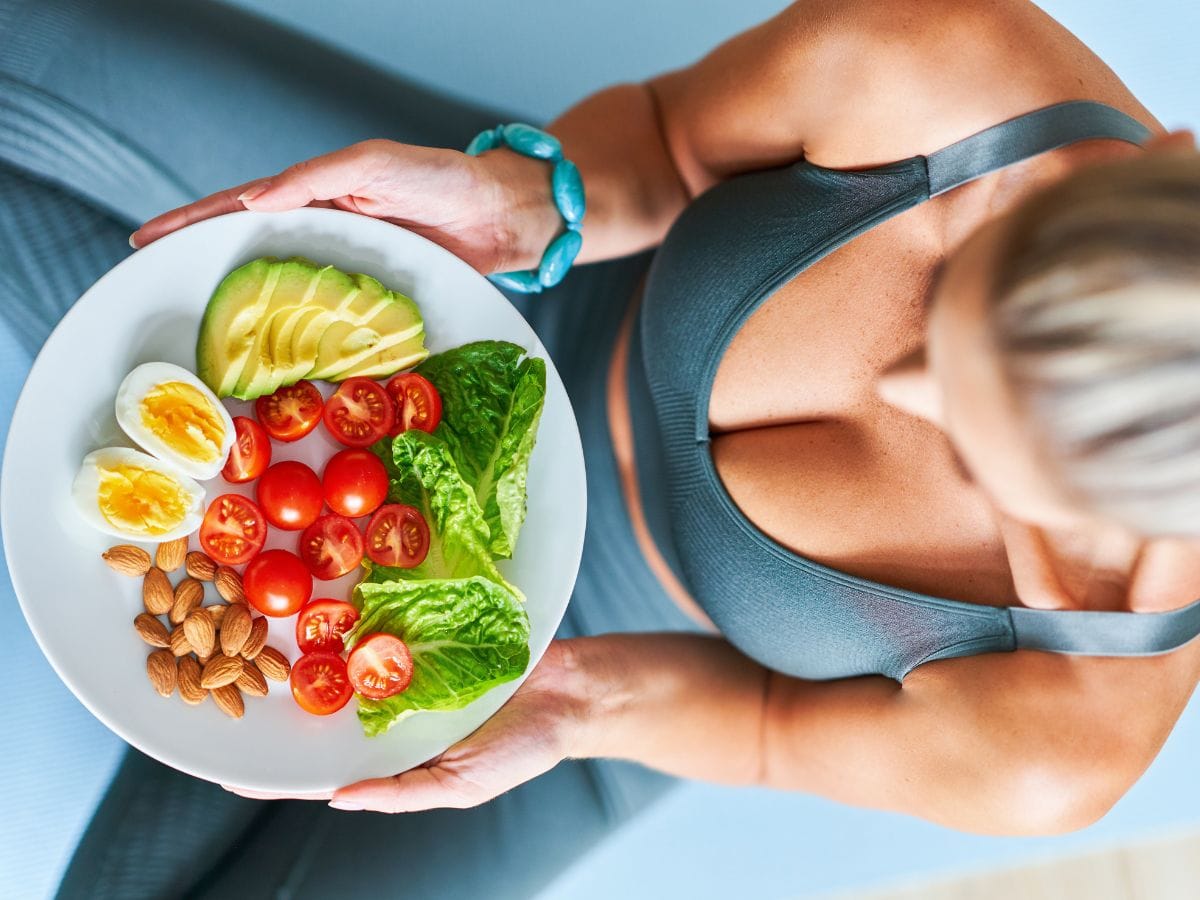
A healthy plate is like a brilliantly cast film: everyone plays their part. Half should be colourful veg, a quarter protein, and the rest wholegrains or fruit. Don’t fear fats — just pick the right ones. Avocados, nuts and salmon? Stars. Deep-fried cheese sticks? Maybe an occasional cameo.
Rethink how you eat (not just what you eat)
Most people focus on what’s on the plate, but how you eat can be just as important. It’s not about counting every calorie; it’s about paying attention.
Mindful eating is your secret weapon: We’ve all inhaled a meal while scrolling TikTok only to realise it’s mysteriously vanished. Mindful eating slows you down: chew, taste, enjoy. You’ll start noticing when you’re full, not just when the plate’s empty. Research even shows that mindful eaters tend to weigh less and feel more satisfied. And yes, that means no phone at the table (or at least no doom-scrolling between bites).
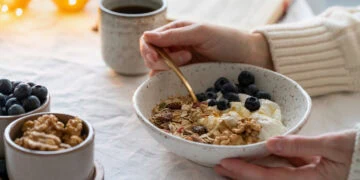
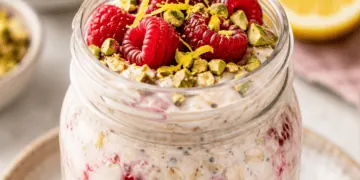
Timing matters: Late-night snacking might seem harmless, but it can mess with digestion, sleep and your body’s natural rhythm. Studies show people who eat earlier tend to lose more weight and sleep better. If hunger strikes late, grab something light, like yoghurt with berries, instead of raiding the biscuit tin.
Portion patrol: Here’s a fun fact (or a horrifying one, depending on how often you eat out): restaurant portions have nearly doubled over the past 30 years. To stay on track, pay attention to your body’s cues; stop eating when you’re satisfied, not stuffed. Pro tip: use smaller plates or dish up your portion before you sit down. You’ll eat less without even clocking it.
Make healthy living effortless
Healthy eating shouldn’t feel like punishment; it should feel doable. Once you build a few habits, it stops being “a diet” and becomes your new normal.
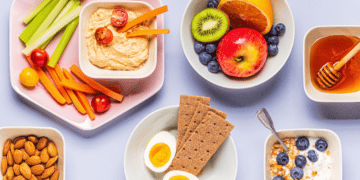
If healthier snacks are hiding behind bags of crisps, guess what you’ll grab? Keep fruit, nuts and yoghurt front and centre—the “see it, eat it” effect is real. Chop fruit in advance or store veg in clear containers so they’re ready when hunger hits.
Breakfast doesn’t have to mean sugar bombs disguised as muffins. Add spinach to your eggs, top porridge with nuts, or blend a smoothie with berries and chia seeds. You’ll get more nutrients, steadier energy and fewer mid-morning crashes.
Here’s the thing about restrictive diets: they’re about as sustainable as living on Mars. Telling yourself you can “never” eat something only makes you crave it more. Instead, focus on moderation. Have the pizza. Enjoy the pudding. Just balance it out with nutritious meals and regular movement.
Consistency over perfection
There’s no one-size-fits-all formula for weight loss. What works for your best mate might not work for you, and that’s okay. The goal isn’t perfection; it’s progress.
Eating better isn’t just about dropping pounds; it’s about boosting your energy, improving your mood and feeling good in your own skin. When you treat your body with care (and maybe a little humour), it returns the favour with better health, steadier energy and a stronger sense of self.
So here’s your reminder: you don’t need to overhaul your life; just tweak it. Drink more water. Eat more greens. Move a little every day. And remember, it’s not about eating less; it’s about eating smarter. Because at the end of the day, the real win isn’t losing weight fast—it’s learning to love how you feel whilst doing it.
This content is for general information only and not a substitute for professional advice. Please check with a healthcare provider before making changes to your fitness or diet.