



















































There’s a moment, right before cold water hits, when you hesitate. Your hand hovers over the tap like you’re about to make a life decision. You know what’s coming. Your body knows what’s coming. And then it hits.
Your brain short-circuits. Your lungs forget their job. You gasp as if you’ve just been dropped into an action scene without a stunt double. It’s dramatic. It’s uncomfortable. It’s borderline offensive. So why do people keep doing this on purpose? And more importantly, why do they step out looking… oddly chuffed with themselves?
Part of the answer lies in your biology. That blast of cold pushes your system into high alert, flooding your brain with chemicals. Within minutes, that initial chaos settles into something more controlled, and you’re left feeling awake, steady, even a little proud.
The body’s alarm system, switched on
The moment your skin meets cold, your blood vessels constrict, pulling warmth toward your core. Your heart rate spikes. Your breathing speeds up. This is your body’s built-in survival system firing at full volume.
It’s called the cold shock response, and it explains the involuntary gasp, the racing pulse, the sudden awareness that you are very much alive. At first, it feels chaotic. You might even wonder why you signed up for this. Fair point. Very fair. But give it a few seconds.
Your breathing begins to slow. Your body starts adjusting. The initial panic softens into something more controlled. And right there, in that shift, something interesting happens. You realise you can handle it.
That small moment matters more than it seems. You walked into discomfort, stayed long enough to adapt and came out intact. Your body just ran a full stress-response cycle and returned to baseline, all within a few minutes. That’s not just physical. That’s training.
Also read: The “Lazy” No Equipment Workout That Secretly Sorts Your Blood Sugar
The strange buzz after the freeze
Now here’s the part that surprises people. You step out of the cold water expecting relief. What you get is energy, clarity, a slightly smug sense of accomplishment, like you’ve just done something your past self would’ve dodged.
That feeling has biology behind it. Cold exposure triggers the release of noradrenaline, a chemical that sharpens focus and boosts alertness. It also nudges endorphins into the mix, those same feel-good signals people chase during exercise. So yes, that post-cold glow? It’s real.
People often describe feeling more awake, more present, sometimes even more upbeat. Not in a life-changing, everything-is-fixed kind of way, but as a subtle shift. The mental fog lifts a bit. The day feels more manageable. There’s also something psychological at play. You did something tough on purpose. Before breakfast. That changes your internal narrative.
You start the day with proof that you can face discomfort and remain steady. That mindset tends to spill over into everything else. Emails feel less daunting. Tasks feel more doable. Even your mood gets a gentle boost, the kind that builds from action rather than waiting for motivation to show up.
Cold water, warm mind
Cold exposure has become a sort of modern ritual. People swear it sharpens the mind, builds discipline, even strengthens emotional resilience. Some of that enthusiasm might be a bit ahead of the evidence, but there’s a core idea worth paying attention to.
When you expose yourself to short bursts of controlled stress, your body learns how to recover. That recovery process matters. After the initial cold shock, your system shifts into a calmer state. Your breathing steadies. Your body works to regain balance. Over time, this pattern may help you become more efficient at moving from stress to calm.
When you expose yourself to short bursts of controlled stress, your body learns how to recover.
In everyday life, that’s useful. Traffic jams. Deadlines. Family drama. Life throws plenty of stress your way. The quicker your body can settle after a spike, the better you handle those moments. Cold water becomes a sort of dress rehearsal.
You step into discomfort, your system reacts, and then you guide yourself back to control. Do that often enough, and you build a rhythm. Stress rises, then falls. You stay in the middle of it without getting carried away.
Some people also report better sleep or a general sense of calm after regular cold exposure. Research hints at improvements in well-being and mood, though results vary. No magic cure here, just a possible nudge in the right direction. And that’s the key point.
Cold water is not a replacement for therapy. It doesn’t solve deep mental health conditions. But it can support a routine that helps you feel a bit steadier, a little more capable. Sometimes, that’s enough to make a difference.
Cold water is not a replacement for therapy. It doesn’t solve deep mental health conditions. But it can support a routine that helps you feel a bit steadier, a little more capable. Sometimes, that’s enough to make a difference.
Cold water won’t save your diet, sorry
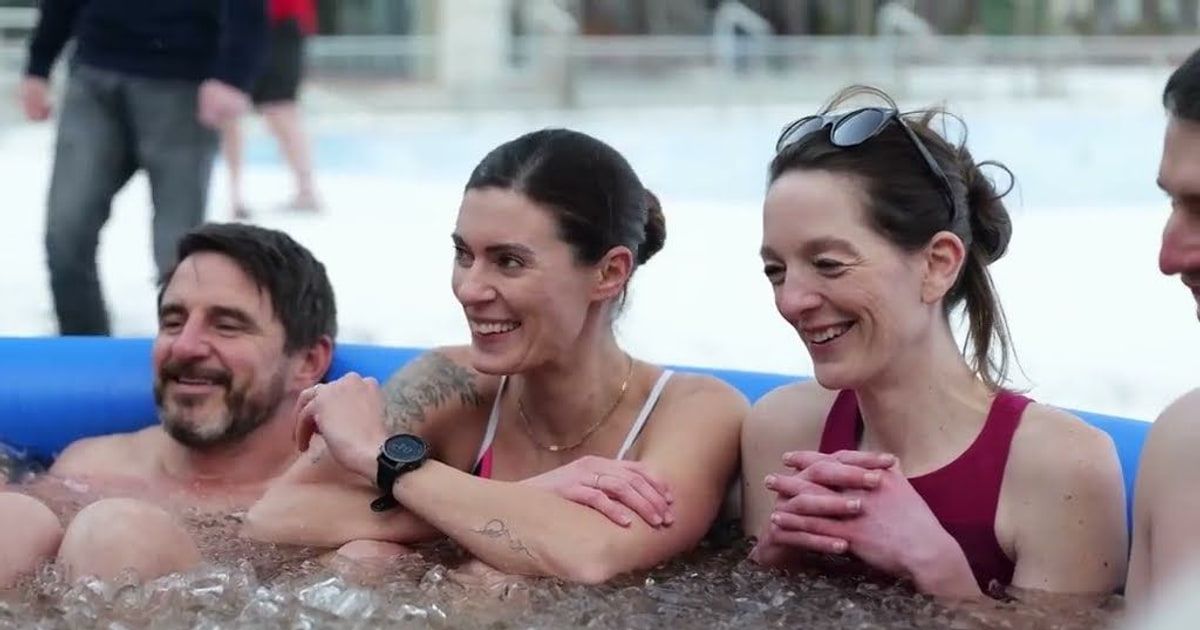
Ice baths have long been a favourite amongst athletes, especially after tough sessions. The reason is simple. Cold causes blood vessels to constrict, which can reduce swelling and help with short-term muscle soreness. So yes, if you’ve ever seen athletes sitting in tubs of ice looking like they’ve lost a bet, there’s logic behind it.
That said, it’s not a miracle fix. It helps with immediate recovery, not long-term healing. Think of it as turning down the volume on soreness, not erasing it. Then there’s metabolism. Cold exposure activates brown fat, a type of fat that burns energy to generate heat. It sounds impressive, and it is, in a biological sense. But the real-world effect on weight loss is modest.
You’re not going to out-ice-bath a poor diet. If only. Still, some people notice a slight increase in energy levels or a general sense of physical alertness after regular exposure. Again, small shifts, not dramatic transformations. Cold water works best as a supporting act, not the star of the show.
Let’s not turn this into a medical emergency
Before you turn your bathroom into an ice chamber, let’s talk safety. That initial shock you get during a cold plunge can spike your heart rate and blood pressure. For most healthy people, it’s manageable. For those with heart conditions or certain health issues, it can be risky.
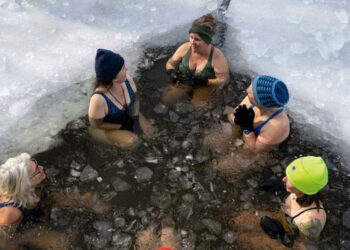
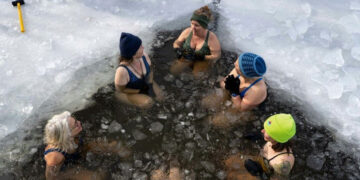
Cold exposure also carries the risk of hypothermia if you stay in too long, especially in open water. Heat leaves your body quickly in cold environments, much quicker than in air. So the approach matters.
Start small. A few seconds at the end of a warm shower. Let your body learn the sensation. Gradually increase exposure as you become more comfortable. There’s no prize for suffering longer than necessary. Consistency beats intensity here.
A short, regular exposure does more than a dramatic one-off plunge followed by a week of avoidance. And listen to your body. If something feels off, step out. This is about building resilience, not testing your limits to the point of harm.
So why does cold water feel like a reset button? It strips things down to basics. You step in. You react. You breathe. You adapt. You step out. No distractions. No overthinking. Just you and your body figuring it out in real time.
You prove, in a very physical way, that discomfort can be temporary, manageable, even useful. You learn that your first reaction is not your final state. And that lesson travels. Into your work. Your habits. Your relationships. Your ability to stay steady when things feel uncertain.
Cold water doesn’t change your life overnight. But it does something smaller, and in many ways more valuable. It gives you a moment of control. And sometimes, that’s exactly what you need to start the day.
This content is for general information only and not a substitute for professional advice. Please check with a healthcare provider before making changes to your fitness or diet.