












































Losing weight quickly doesn’t automatically mean getting fitter quickly. That’s the bit that catches a lot of people off guard. The scale moves, clothes fit differently, and yet a flight of stairs still leaves you out of breath, or a short jog feels harder than it should. Rebuilding fitness after rapid weight loss is its own separate project, and it deserves its own plan rather than an assumption that fitness follows weight automatically.
Why Weight Loss And Fitness Aren’t The Same Thing
Weight loss on a GLP-1 medicine happens mostly through eating less, not through activity. If appetite has been low and energy has dipped, as it often does in the early weeks, it’s entirely normal for overall movement to have quietly dropped alongside the weight. That means your cardiovascular fitness and your muscular strength may well be starting from a lower point than they were before you began, even though you weigh less now.
This isn’t a failure or a sign you’ve done anything wrong. It’s just a different starting line to the one you might be expecting.
Why Starting Slowly Actually Matters
There’s a strong temptation to throw yourself back into exercise once the weight starts coming off, to make up for lost time all at once. The evidence points the other way. Medical guidance on returning to activity after any period of reduced movement is consistent on this point. Clinically significant deconditioning, including loss of strength and skeletal muscle mass, can occur within a week of prolonged bed rest. After a break from exercise, returning straight to your previous training intensity can increase the risk of overuse injuries, so it is best to build up gradually.
The better approach is to treat this as establishing a genuinely new baseline rather than trying to leap back to wherever you were before, and building from there in small, steady steps.
Also read: Strength Training For Beginners: Simple Habits That Make All The Difference
Strength Training For Women Beginners At Home UK Readers Can Actually Start Today
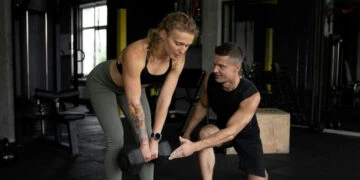
You don’t need a gym, equipment, or hours of spare time to make a real start. Bodyweight training is a genuinely effective entry point, not a lesser substitute for weights. It works particularly well here because it mimics everyday movements like sitting, standing and pushing yourself up, which makes it feel manageable when you’re coming back after a break rather than starting somewhere entirely unfamiliar.
Here’s a simple twice-weekly routine to begin with, using nothing but your bodyweight and a bit of floor space.
- Sit to stand from a chair. Two to three sets of eight to twelve, building leg strength safely
- Wall or floor push-ups, whichever suits your current strength, two to three sets of six to ten
- Glute bridges, lying on your back, hips lifted and lowered, two to three sets of ten to fifteen
- Standing marches or step-ups, using a low step or stair, for general leg strength and balance
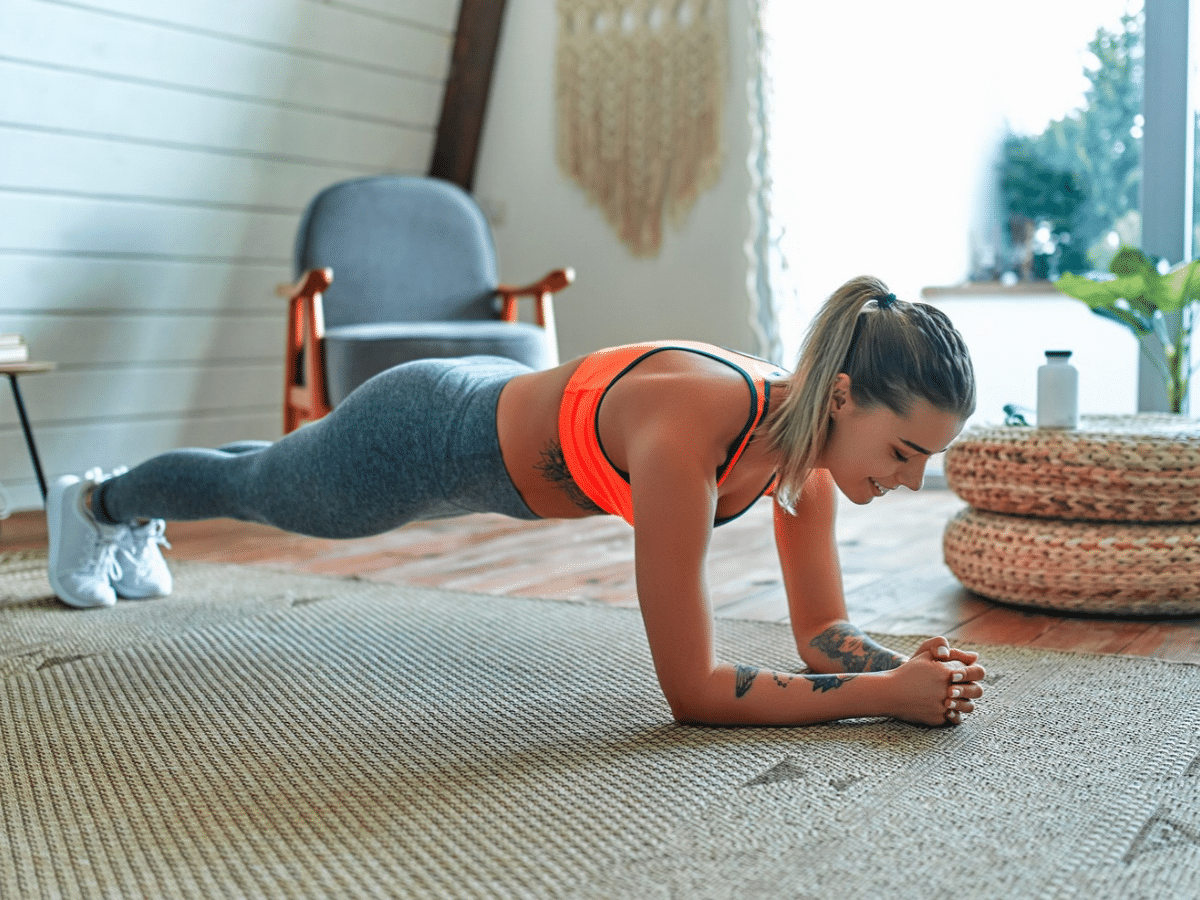
- A simple plank hold, even just ten to fifteen seconds to start, building core strength gradually
Twenty minutes covers this comfortably, including a short warm up. Rest a day or two between sessions rather than doing them back to back, since research comparing bodyweight training with weights and gym machines finds little real difference in strength gained, as long as the effort feels genuinely challenging by the end of each set. The equipment isn’t what drives the progress. Consistent, gradually increasing effort is.
How To Progress Without Overdoing It
Once any of these starts to feel easy rather than challenging, that’s your cue to progress, not a reason to stop. Adding a few more repetitions, holding the plank a little longer, or slowing the movement down all count as genuine progress without needing to change the exercise entirely. If something feels painful rather than simply effortful, that’s worth backing off from and revisiting later, rather than pushing through.
What This Looks Like In Practice
A realistic first month might mean two sessions a week for the first fortnight, keeping everything at the easier end of what’s listed above, then adding a small amount of progression in weeks three and four once the basics feel comfortable. There’s no prize for rushing this. The whole point of rebuilding fitness after rapid weight loss properly is that it holds up, rather than burning you out in week two and leaving you back where you started.
The whole point of rebuilding fitness after rapid weight loss properly is that it holds up, rather than burning you out in week two and leaving you back where you started.
Pairing this with the walking habits and protein guidance covered elsewhere gives the whole picture a much better chance of sticking, since strength training on its own, without enough fuel behind it, tends to stall.
Where This Leaves You
Rebuilding fitness after rapid weight loss isn’t automatic, and it isn’t something to feel behind on if it hasn’t happened yet. It’s a separate, deliberate project, one that starts small and builds steadily rather than trying to catch up all at once.
If you’re looking for strength training for women beginners at home UK readers can genuinely stick with, the routine above is a solid place to start, twice a week, no equipment, twenty minutes, building from wherever you actually are right now rather than where you used to be.