











































If you’ve ever hovered in the gym doorway, water bottle in hand, thinking, “Is this really for me?” rest assured you’re in excellent company. Plenty of Brits are rediscovering fitness later in life, and (spoiler) it’s working.
From better balance to sharper thinking, regular movement is one of the most powerful tools over-50s have for keeping both mind and body in decent nick.
Let’s pull up a chair (no seated workouts, promise) and talk about why.
Power as you age
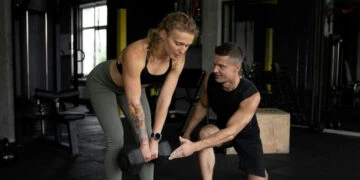
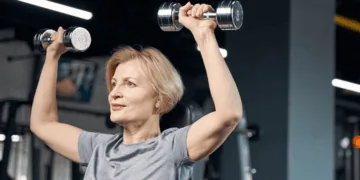
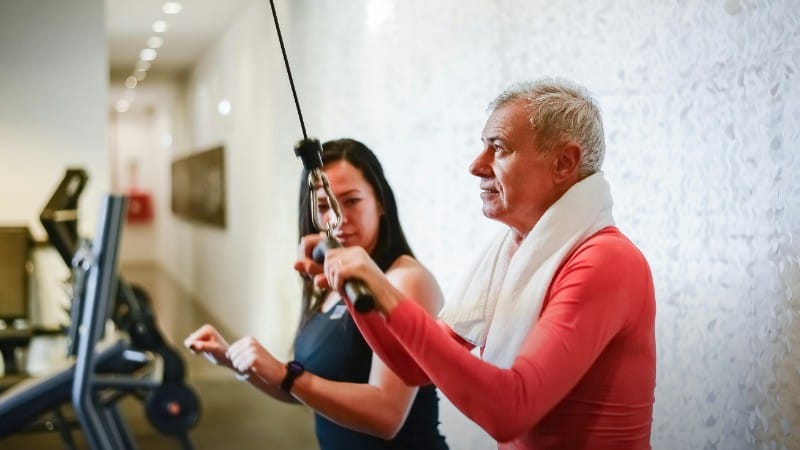
Staying active as we get older is less about chasing your twenty-something marathon time and more about keeping your body and mind shipshape. Muscle naturally slips away with age, roughly 10 per cent by the age of 50 and more in the decades that follow, but a resistance routine can slow the slide dramatically. Think dumbbells, resistance bands, even your own bodyweight. It doesn’t require Olympic ambition, just enough to keep strength and confidence ticking along.
Muscle naturally slips away with age, roughly 10 per cent by the age of 50 and more in the decades that follow, but a resistance routine can slow the slide dramatically.
It’s not just muscles. Bone density changes too. Weight-bearing activities like walking, dancing or even a lively game of badminton keep your bones sturdy and help ward off osteoporosis. According to the British Heart Foundation, regular aerobic exercise – yes, brisk walking counts – can trim your risk of cardiovascular disease by about 35 per cent. That’s a number anyone can appreciate.
Keeping steady on your feet
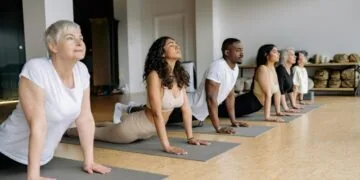
Balance doesn’t get enough credit. As we age, stability starts to wobble and falls become far more common. Targeted movement helps keep us upright. Strength training, Pilates, yoga and even standing on one leg while the kettle boils strengthen the muscles that support balance. Research suggests that people with low muscle mass face up to four times the risk of fall-related injury compared with those who maintain strength.
Targeted movement helps keep us upright. Strength training, Pilates, yoga and even standing on one leg while the kettle boils strengthen the muscles that support balance.
That’s reason enough to move with purpose. These activities improve coordination and build confidence, making everyday movements feel easier. Better balance isn’t just about avoiding falls; it helps maintain independence, whether that’s walking to the shops or tackling the garden.
Moving through what you love
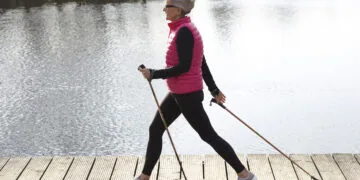
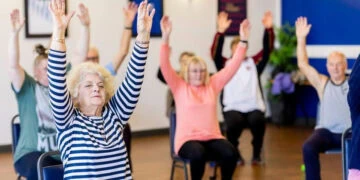
There’s no rule saying the over-50s must retire to slow, chair-based workouts. If you’ve shelved hobbies like tennis, dancing or gardening, it might be time to bring them back. Familiar activities are easier to stick with, and consistency is what pays off. Many gyms now run sessions tailored to older adults, making the atmosphere a little more relaxed and a lot more inclusive.
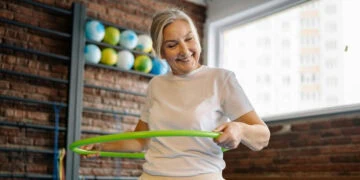
If you’ve shelved hobbies like tennis, dancing or gardening, it might be time to bring them back. Familiar activities are easier to stick with, and consistency is what pays off.
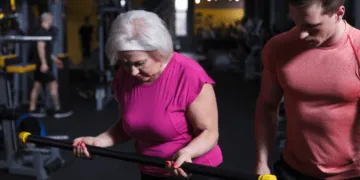
These environments also come with a hidden boost: community. Whether you’re chatting at the water fountain or joining a walking group, these small connections help keep you motivated. A bit of friendly comparison can nudge you to pick up a slightly heavier weight or walk that extra loop. It’s not about chasing records; it’s about moving regularly and enjoying the company along the way.
Exercise for brain and body
Movement is as good for the mind as it is for the muscles. Regular activity supports cognitive health, can ease anxiety and low mood, and helps regulate sleep. Some studies suggest it may even help maintain judgement and reasoning, particularly in early Alzheimer’s cases.
Put simply, staying active keeps the brain firing.
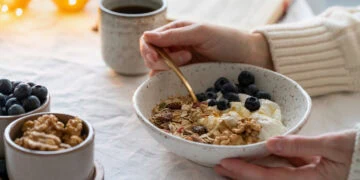
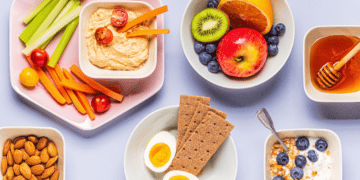
Nutrition plays a major part too. As we age, dietary needs shift. Protein becomes essential for preserving muscle and supporting recovery. Calcium and vitamin D help maintain bone strength, and fibre keeps digestion on track. Healthy fats like omega-3s support heart and brain health, while antioxidant-rich fruit and veg help protect cells. Hydration matters more than people realise because thirst cues weaken with age. Water, tea, soups and high-water fruits all contribute.
When you want more: enter HIIT
If your idea of a workout involves a little extra challenge, high-intensity interval training is worth considering. A five-year Norwegian study, Generation 100, followed more than 1,500 adults aged 70 to 77 and compared moderate exercise with HIIT. The results were clear: HIIT produced the biggest improvements in cardiorespiratory fitness and overall quality of life. It’s flexible, too. You don’t need sprint training – fast-then-slow walking works, and so does alternating higher-effort with gentle Pilates.
A five-year Norwegian study, Generation 100, followed more than 1,500 adults aged 70 to 77 and compared moderate exercise with HIIT. The results were clear: HIIT produced the biggest improvements in cardiorespiratory fitness and overall quality of life.
Over the study period, mortality among the HIIT group sat at around 3 per cent, compared with nearly 6 per cent in the moderate-exercise group. That’s a meaningful difference. For anyone trying HIIT for the first time, it’s best to check with your GP and start with low-impact movements. Trainers at many British gyms can help tailor routines, but the most important part is enjoyment. If you never liked burpees at 25, you’re unlikely to warm to them at 75.
The bigger picture is encouraging. Ageing isn’t decline; it’s change. Movement and nutritious food help keep that change manageable. Stronger hearts, sharper minds, steadier balance and a thriving social life are all within reach. Your pace might be yoga at home, brisk park walks, strength training or HIIT that looks suspiciously like faster-than-usual gardening – there’s something that fits.
Keep moving, stay curious and enjoy the life you’re building.