



























































You don’t need a colour-coded diary or a spare hour to look after your health. Between work, family, and that one chaotic drawer, exercise can feel like the first thing to go. Movement affects how you feel, think, and function, even on hectic days. And it doesn’t have to be a marathon or an expensive gym membership. Short, flexible bursts of activity can lift your mood, mental fitness, and stress management.
The trick? Stop seeing exercise as an extra job. When it blends smoothly into your day, the benefits, both physical and mental, soon add up.
Why movement matters when time is short
Physical activity quietly supports just about everything. It helps protect your heart, strengthens muscles and bones, improves sleep, and boosts energy levels. Over time, it also supports longevity by helping the body stay able and resilient. And let’s not forget: being active regularly is one of the best ways to keep a positive outlook, even on days when life feels like a bit of a circus.
There’s also a money-saving angle. Staying active supports wellness on a budget on a budget by reducing the chance of future medical bills and time off work. Walking, home workouts, or even short bursts of movement during your day cost nothing but can pay off hugely. It’s like investing in your future self without having to open a share account.
Exercise is closely linked to mood. Studies show the connection between depression and exercise is real: moving your body helps balance stress hormones, improves sleep, and can raise your confidence. It doesn’t solve everything, but it makes the madness of life seem that bit easier to handle – sometimes, that’s all you need.
It doesn’t solve everything, but it makes the madness of life seem that bit easier to handle.
How little and often makes a big difference
You don’t need to carve out an hour for the perfect workout. Short bursts sprinkled throughout your day add up more than you might think. Think walking briskly to the bus stop, taking the stairs instead of the lift, or a few squats while brushing your teeth. Your muscles and your heart will thank you, and it’s amazing how quickly these mini-habits feel normal.
Even waiting in a queue can be a chance to strengthen your body: balance on one foot, do calf raises, or have a stretch. At work, you could set a timer to get up and move every half hour, or swap emails for a quick walking chat. These little changes build momentum and keep you from feeling like a desk-bound zombie.
Also read: How To Get Strong Without Turning Fitness Into A Full-Time Job
Making activity fit your real life
Here’s the trick: stop treating exercise like an event that needs perfect conditions. Movement works best when it fits into the life you already lead, not the one you wish you had.
Some people thrive on routine. If that’s you, book in exercise like a meeting. Morning walks, lunchtime workouts, or evening classes are easier to stick to when they’re planned, especially if a mate joins you. It’s harder to skip when someone else is counting on you. Bonus: it keeps you accountable without turning your day into a slog.
If you prefer to go with the flow, weaving activity into everyday tasks works just as well. Gardening, lugging the shopping, or taking the dog out all count. Got kids? Play games that get everyone moving – hide and seek, a knockabout with a cricket bat, or adventures in the local park. Even cooking together can sneak in a few squats or stretches with no one the wiser. Fun and fitness? Sorted.
Movement as stress management
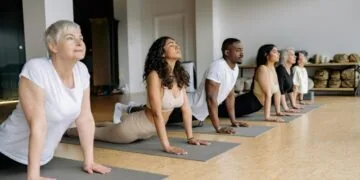
Stress is everywhere. It messes up your sleep, your digestion, your mood – basically, everything. Regular movement helps keep stress hormones in check and gives your nervous system a breather. That’s not just a nice phrase; it’s exactly why a brisk walk or a quick yoga session can leave you feeling clearer-headed, calmer, and more in control.
The gut mind connection is another hidden bonus. Stress can upset your digestion, but movement helps get your gut and circulation going. Gentle activity after meals or brief walks during the day can make you feel more comfortable and boost your mood. In other words, your body and brain like to move together – they’re a team.
Boosting mental fitness, mood, and confidence
Movement isn’t just about muscles – it’s a brain booster too. Regular activity sharpens your focus, improves mental fitness, and builds resilience. Feeling physically capable lifts your confidence and keeps your mindset positive. Those little daily habits really do add up.
Being active also improves sexual health. Better circulation, flexibility, and body awareness all come from moving regularly. Tackling stress and tiredness with activity keeps your energy up and your mood steady. It’s one of those ‘feel-good, do-good’ cycles that actually works.
Tackling stress and tiredness with activity keeps your energy up and your mood steady.
Strength, independence, and longevity
Your body responds well to movement at any age, but consistency is key. Strength training – whether it’s bodyweight moves, resistance bands or simple home routines – supports your muscles, bones and joints for everyday life. It makes standing, lifting and reaching easier, reduces stiffness, and helps prevent falls as you get older.
Cardio keeps your heart healthy, your circulation strong, and your energy steady. Walking, cycling, swimming or dancing all count. You don’t need fancy kit, just something that keeps you moving. Short bursts, longer strolls, or a brisk walk in the evening all help – especially if you mix in some strength work too.
At the end of the day, staying active supports independence, mental fitness, and longevity. It’s not about perfect plans or Instagram-worthy routines. It’s about moving in ways that feel doable, sustainable, and yes – even a bit fun. Life might be hectic, but your health deserves a spot at the table.