













































Erectile dysfunction (ED) is still a taboo subject for many men, even though it affects far more people than most realise. One minute everything works as it should. The next, your body decides to go off-piste. You start replaying the moment in your mind. Was it stress? Tiredness? A one-off? Or is this… a hard problem?
Here’s something worth knowing from the off: you aren’t broken, and this isn’t a rare blip only for “older men.” A nationwide poll by Click2Pharmacy suggests that 3 in 4 men between the ages of 25 and 34 report some form of erectile difficulty, even if only from time to time.
Also Read: How Movement Shapes Desire – In Conversation with Sex Therapist Lucy Frank
That figure might raise a few eyebrows, but it says more about present-day pressures than it does about ageing. Clinics see plenty of men who seem healthy, hold down demanding jobs, and still struggle during sex with a partner. sexual health, it turns out, shows how the whole body is coping, not just what goes on in the bedroom.
ED rarely turns up with one straightforward cause. It creeps in after long days sat still, unrelenting pressure, restless nights, and habits that slowly tip your body off balance. That’s where exercise really comes in, not as some heroic transformation, but as a quiet reset.
When ED makes you feel unsexy
ED rarely stays in the bedroom. Once it shows up, it has a knack for following you about. You might feel less confident, less attractive, or surprisingly out of touch with your own body. Who would even feel sexy knowing something isn’t right?
ED rarely stays in the bedroom. Once it shows up, it has a knack for following you about.
Peer-reviewed medical research paper from PubMed Central found that 38.16% of men with erectile dysfunction had anxiety and 64.97% had depression, with about 31.51% experiencing both anxiety and depression.
When something so closely tied to identity and intimacy falters, the mental knock can be every bit as tough as the physical one. sexual health, in that sense, is closely linked to mental fitness, not just being able to perform on demand.
The link runs both ways. The Journal of Sexual Medicine published a clinical study involving 958 patients, which found that 79.82% of men with erectile dysfunction reported anxiety and 79.56% reported depression. Another study found 33.3% of men with social phobia also experienced sexual disorders.
The Journal of Sexual Medicine published a clinical study involving 958 patients, which found that 79.82% of men with erectile dysfunction reported anxiety and 79.56% reported depression.
The good news is that this downward spiral can be reversed. When blood flow improves, stress eases, and control returns, confidence tends to follow. Feeling capable again boosts mental fitness, which then fuels desire and connection. Being sexy, it turns out, isn’t about being flawless. It’s about feeling comfortable in your own skin again.
The most ignored muscles in the room
Then there’s the topic most men don’t hear about until much later: pelvic floor muscles. Yes, you’ve got them too, and no, they’re not just for post-surgery leaflets. These muscles help erections by keeping blood where it should be. Learning to use them takes a bit of practice, like discovering a muscle you never even realised you had, but short daily sessions can make a real difference over time.
With structured pelvic floor training, 40% of men regained normal erectile function, and another 35% saw clear improvement. That goes some way to explaining why better control and stronger erections show up within a few months. It’s one of the most direct ways exercise helps, yet it remains oddly underused.
With structured pelvic floor training, 40% of men regained normal erectile function, and another 35% saw clear improvement.
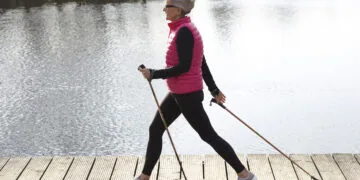
That progress builds more quickly when everyday movement supports it. Brisk walking is a solid place to start, even if it sounds too simple to matter. The pace is what counts. Walk quickly enough that talking feels like an effort and you start to feel warm. Thirty minutes, three or four times a week, gives your blood vessels the practice they need. Circulation improves, blood pressure settles, and erections become more reliable over time, while also helping with basic stress management.
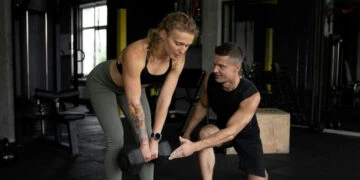
Not keen on walking or short on time? Cycling, swimming, rowing, or short bursts of intense effort followed by recovery work just as well. Consistency matters more than perfection. Strength training deserves its place, too. Two or three short sessions a week using big movements will help your muscle function, hormone balance, and general confidence, which tends to spill over into your sex life as well.
Give your body half a chance
At this stage, the aim isn’t to add more fixes. It’s to stop working against yourself. Habits still count, because they quietly decide whether all that effort can work. Smoking narrows blood vessels. Alcohol messes with sleep and hormones. Extra weight puts added strain where circulation’s already struggling. None of this is news, but the upside is simple: small changes add up more quickly than you might think, and they tend to help your long-term health and longevity at the same time.
Alcohol messes with sleep and hormones. Extra weight puts added strain where circulation’s already struggling.
ED rarely happens because one bit of your body fails overnight. It comes about when several systems stay under pressure for too long. That means progress doesn’t require perfection, hardcore discipline, or a whole-life overhaul. Confidence needs a breather to come back on its own. Give your body fewer hurdles, and it usually sorts the rest, no micromanaging needed.
So, the real question isn’t whether movement helps. It’s whether you give your body the chance to respond. Sometimes, it’s about doing less harm before trying to do more good. Nothing dramatic or glamorous. Just sensible enough to let things head in the right direction again.