
























































Ever wonder if your eyes are getting the VIP treatment they deserve? Between binge-watching shows, squinting at screens, and forgetting your sunglasses on sunny days, your peepers take quite a few knocks.
Good news: you don’t need a lab coat to give them a boost. Research shows many vision problems are preventable, so even small lifestyle tweaks can make a big difference. From what you eat to how you move and the habits you adopt each day, there are plenty of ways to keep your eyes happy and healthy.
Also read: Fitness over 60: the diet shift you need to delay memory decline by years
Eat for your eyes
You know the saying, “you are what you eat”? Well, your eyes are no exception. Certain nutrients are like little bodyguards for your retina, ready to fend off age-related problems like cataracts and macular degeneration.
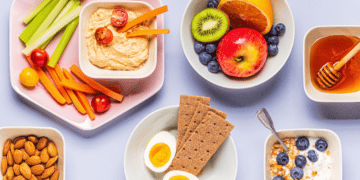
Vitamins A, C, and E top the list. Vitamin A helps your eyes adjust when the lights go dim. Vitamin C hangs out in the fluid at the front of your eyes, protecting them from damage that can cause cataracts. Vitamin E jumps in as an antioxidant, keeping those eye cells happy.
Omega-3 fatty acids, the kind you find in salmon or linseed, are also major eye allies. Then there are lutein and zeaxanthin, found in kale, spinach, carrots and peppers, which help keep your retina in top shape. Zinc helps shuttle vitamin A from your liver straight to your retina, basically acting as a personal eye chauffeur.
Eating anti-inflammatory foods does more than make your stomach happy; it can reduce systemic inflammation that harms your eyes. That means wholegrains, colourful fruits and veg and cutting back on red meat, sugary drinks and heavily processed snacks.
Eating anti-inflammatory foods does more than make your stomach happy; it can reduce systemic inflammation that harms your eyes.
Thinking about supplements? Check with a healthcare professional before stocking up. More isn’t always better and some can interact with your medication.
Move your body, protect your vision
Exercise isn’t just for your waistline or your heart. Your eyes benefit from a good workout, too. When your heart pumps blood, it carries oxygen and nutrients all over your body, including to your eyes. Regular movement helps tissue repair, keeps oxidative stress in check and even lowers the risk of eye problems linked to inflammation from carrying extra weight.
Aim for at least 150 minutes of moderate exercise each week. That could be brisk walks, dance classes, a jog, or even tackling garden chores like raking leaves or cutting the grass. Any movement is better than none. Think of it as a mini spa day for your eyes: the more you move, the more they’ll thank you.
Shield your eyes from everyday hazards
Sun protection isn’t just for a day at the seaside. UV rays creep in even on cloudy afternoons. Sunglasses that block 99 to 100 per cent of UVA and UVB rays can help keep cataracts and macular degeneration at bay.
Wraparound lenses are a bonus, stopping rays getting in from the sides and polarised lenses cut down on annoying glare while driving.
Sports and work hazards are another area where your eyes need back-up. Protective goggles for squash, hockey or handling chemicals might not win any style awards, but they prevent serious injuries that ordinary glasses can’t.
Screen time is a modern eye villain. Staring at your phone, computer and telly can lead to eye strain, dry eyes and headaches.
The 20-20-20 rule is a lifesaver: every 20 minutes, look at something 20 feet away for 20 seconds. It’s basically a mini eye holiday that helps your eye muscles relax.
Smoking is another culprit that doesn’t get enough attention. Tobacco ups your risk of cataracts, optic nerve damage, and macular degeneration.
The 20-20-20 rule is a lifesaver: every 20 minutes, look at something 20 feet away for 20 seconds. It’s basically a mini eye holiday that helps your eye muscles relax.
Quitting may reverse some of the harm, and professional support can improve your chances. If your eyes could talk, they’d probably beg you to put the fags away.
Keep an eye on professional care
Even the best diet, exercise and protection aren’t a get-out-of-jail-free card for skipping check-ups. Dilated eye exams are the gold standard for picking up problems early.
Many eye conditions creep up quietly, so it pays to be proactive. People with diabetes, high blood pressure or a family history of eye problems may need extra appointments.
Diabetic retinopathy, for example, can gradually cause loss of sight if left unchecked. Regular eye tests spot it early when treatment works best.
Good vision doesn’t have to be complicated or boring. Tiny daily habits, like loading up on colourful food, taking a brisk walk, slipping on your sunnies or giving your eyes a mini break from screens, can make a real difference without feeling like a chore.
Over time, these little tweaks add up in ways you’ll actually notice. You might finally spot the tiny details on your favourite programme or see the colours in a sunset standing out like never before.
Treat your eyes as lifelong mates. The better you look after them, the longer they’ll stick around, showing you the world clearly and comfortably. They put up with quite a lot every day, and giving them a bit of care pays off more than you might imagine.