









































































Food conversations nowadays can feel a bit like you’ve accidentally wandered into a wellness seminar you never meant to attend. One quick scroll online and suddenly everything is either ‘good for inflammation’ or ‘secretly ruining your digestive system.’ Realistically, most of us are just trying to eat something that doesn’t leave us feeling sluggish a short while later.
That’s where the idea of non-inflammatory meats comes in. Not as some rigid rule or fashionable diet, but as a sensible way to consider your food choices that support how you feel day to day. It’s less about restriction, more about being mindful, like picking a playlist that won’t give you a headache halfway through.
Food and inflammation
Inflammation sounds like something straight out of a medical textbook, but it’s really just your body doing its usual repair work. It helps you get better when you’re ill or injured. The issue is when it doesn’t properly turn off and sticks around longer than necessary.
That sort of low-level, long-term inflammation has been linked to tiredness, digestive discomfort, and those days you just feel ‘out of sorts.’ Food doesn’t directly cause or cure it, but your everyday eating habits can certainly influence how balanced things feel in the long run. This is where chats about non-inflammatory meats come in. It’s not about labelling foods as good or bad, but paying attention to what you eat and how you feel afterwards.
That sort of low-level, long-term inflammation has been linked to tiredness, digestive discomfort, and those days you just feel ‘out of sorts.’ Food doesn’t directly cause or cure it, but your everyday eating habits can certainly influence how balanced things feel in the long run.
One meal isn’t going to make or break your health, but your regular habits do add up. Frequently eating heavily processed food can slowly affect how you feel over time. Opting for simpler, less processed choices more often can help you feel a bit more balanced on the whole. It’s nothing drastic—more like gently lowering the volume rather than flipping a switch.
Choosing non-inflammatory meats
Meat is a staple in many diets across the world, and for good reason – it’s filling, versatile, and full of protein. But not all meat is processed or cooked in the same way, and that’s where differences start to matter.
Meat is a staple in many diets across the world, and for good reason – it’s filling, versatile, and full of protein. But not all meat is processed or cooked in the same way, and that’s where differences start to matter.
When people mention non-inflammatory meats, they’re usually talking about options that are less processed and nearer to their natural state. Think fresh cuts rather than those that are heavily preserved or cured. How you cook it also matters more than most of us realise. The same piece of meat can feel quite different to your body, depending on whether it’s grilled gently or deep-fried in buckets of oil.
Lean and simple choices often win
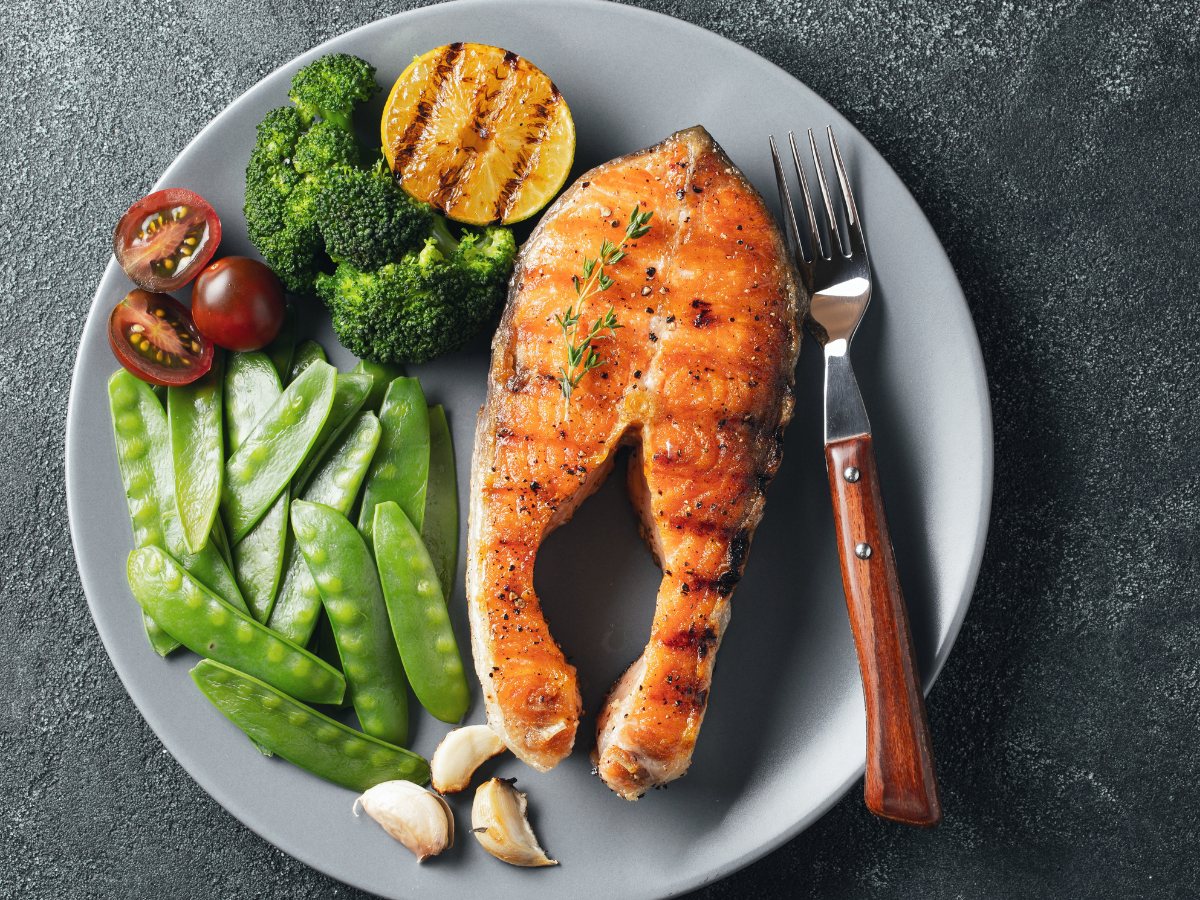
Chicken, turkey, fish, and lean cuts of pork or beef are usually seen as better everyday choices. They’re typically less processed and easier to team up with veg, grains, and healthy fats.
Oily fish like salmon or sardines also get plenty of praise because they naturally contain omega-3 fatty acids, which are linked with helping the body manage inflammation more sensibly.
Processing is where things change
Heavily processed meats like sausages, hotdogs, and pre-packed deli slices often contain added preservatives, salt, and other compounds formed during processing.
Heavily processed meats like sausages, hotdogs, and pre-packed deli slices often contain added preservatives, salt, and other compounds formed during processing.
Eating them now and again isn’t really the problem, it’s eating them often that can become a concern as part of your general eating habits.
This is why you’ll often hear health advice recommending you limit these sorts of foods and focus more on non-inflammatory meats as your daily go-to. It’s about frequency, not fearmongering.
Building a balanced plate without overthinking it
The good news is you don’t need a complicated plan or a strict set of rules to eat well. Most of it comes down to simple routines you can actually stick with, without feeling like you’re on some never-ending diet.
Meals that keep you going often have a mix of protein, fibre, and healthy fats. Pair your meat with vegetables and whole foods, and your body generally responds more steadily – rather than suffering a big post-meal dip in energy.
Small swaps make a big difference
No need for a complete kitchen overhaul. Swapping out processed meats for fresh alternatives a few times a week is a meaningful shift already.
For instance, trading a processed sandwich filler for grilled chicken or turkey, or choosing baked fish over fried, gradually builds a habit that tends towards non inflammatory meats without being too restrictive.
How you cook really does matter
The cooking method is just as important as the meat itself. Grilling, baking, steaming, or sautéing with simple bits usually keeps things lighter compared to deep-frying or charring heavily. It’s not about achieving perfection – just being a bit more consistent with choices that help you feel better overall.
The bigger picture: Food without the pressure
It’s easy to get swamped by health advice online. One post says cut this out, another says add more of that, and before you know it, you’re eyeing your plate like it’s some sort of maths puzzle.
But food isn’t supposed to be stressful. It’s meant to support your life, not take over your all your thoughts. The most practical approach is the one that fits your real routine, not an ideal one found on the internet.
Choosing non-inflammatory meats more often is just one small way to support that balance. No need for perfection, harsh rules, or cutting out everything you like. Just a bit of awareness, and maybe some curiosity about how your body reacts.
At the end of the day, the aim isn’t to eat ‘perfectly.’ It’s about eating in a way that lets you get on with things – without your meals putting up a fight an hour later.