











































Keeping up with a busy schedule often means meals get delayed, rushed, or skipped. In those in-between moments, snacks take over, and not always in the best way. Some give you a quick boost, then leave you feeling drained, while others help you stay focused and steady for hours.
The best food to eat before a marathon and clever snacking isn’t about eating more – it’s about choosing foods that actually support your energy. And if you’re thinking about long-term goals like running a race, the same principles apply when selecting pre marathon meals and snacks.
You want fuel that lasts, not just a sugar spike.
Why clever snacking matters
Snacking has become a normal part of daily life, especially for people juggling work, errands, and everything in between. Instead of treating snacks as random add-ons, it helps to see them as small opportunities to fuel your body.
Health experts, including those from the British Heart Foundation, often highlight that snacks can fit into a balanced diet when chosen carefully. Options that are lower in added sugars and richer in nutrients can support steady energy and overall wellbeing.
The link between snacks and energy
Energy dips are often tied to what you eat between meals. Snacks high in refined sugar can give you a quick lift, but that doesn’t last long. Before you know it, you’re tired again and looking for another quick fix.
Snacks high in refined sugar can give you a quick lift, but that doesn’t last long. Before you know it, you’re tired again and looking for another quick fix.
Balanced snacks, those with protein, fibre, and healthy fats, help avoid that cycle. They release energy more gradually, helping you stay focused and productive for longer periods.
Understanding added sugars
A key part of cleverer snacking is knowing what’s in your food. Added sugars are commonly found in packaged snacks and are different from natural sugars in fruit and dairy.
Food labels now show both “Total Sugars” and “Added Sugars”, making it easier to spot how much extra sugar has been included. Ingredients like glucose syrup, cane sugar, and anything ending in “-ose” are common sources. Keeping added sugars in check can help maintain stable energy levels and support better eating habits overall.
The ideal snack formula
Creating a clever snack doesn’t require complicated recipes. The goal is to combine nutrients in a way that keeps you satisfied and energised.
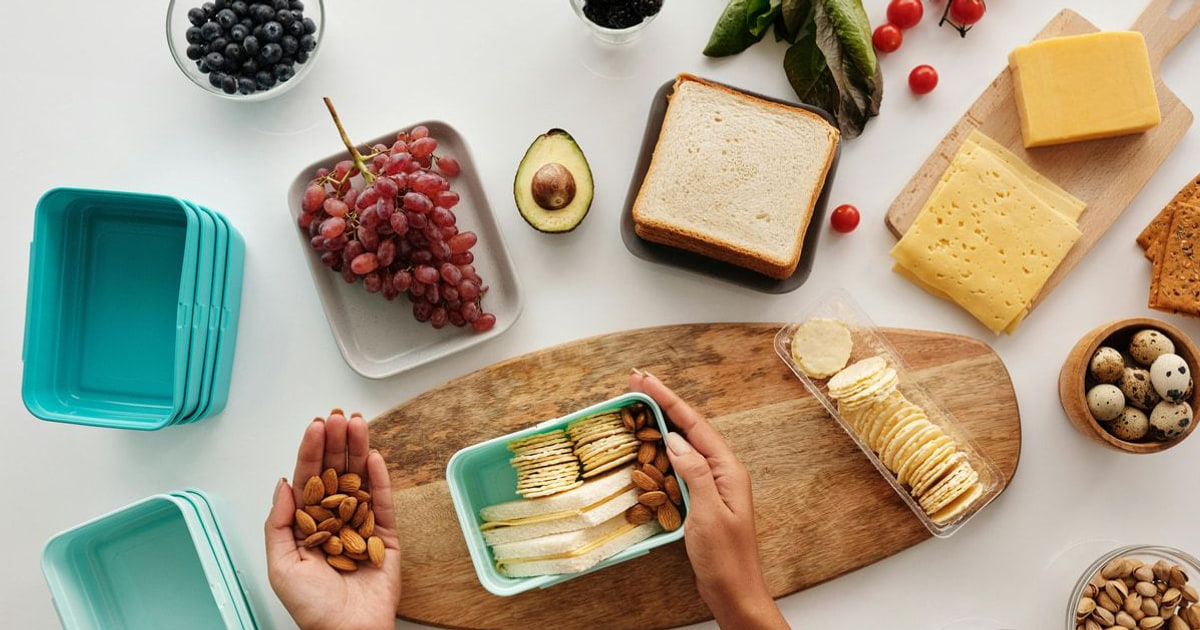
The ideal snack formula: A good snack usually includes protein for fullness, fibre for digestion, and healthy fats for lasting energy. Pairing foods is an easy way to achieve this balance. For example, fruit with nut butter or wholegrain crackers with protein can keep you full for longer than a single-item snack.
The ideal snack formula: A good snack usually includes protein for fullness, fibre for digestion, and healthy fats for lasting energy. Pairing foods is an easy way to achieve this balance. For example, fruit with nut butter or wholegrain crackers with protein can keep you full for longer than a single-item snack.
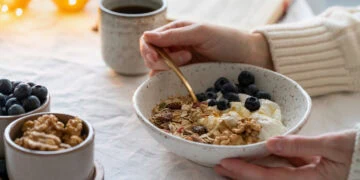
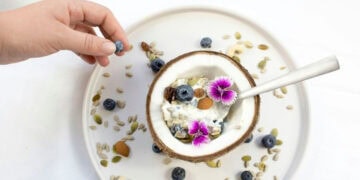
Nutrient-dense options that fit any schedule: Whole foods are often the best choice because they naturally provide a mix of nutrients without unnecessary extras. Some practical options include fresh fruit with peanut or almond butter, Greek yoghurt with berries, hard-boiled eggs, roasted chickpeas for a crunchy alternative, and raw veg like carrots and cucumbers with houmous.
Adding vegetables such as leafy greens, cucumbers, or peppers can also support overall health, as they provide essential vitamins and minerals.
Snacks that double as mini meals: On especially busy days, snacks may need to do more than just keep you going. Options like wholegrain crackers with tuna or salmon provide protein, fibre, and healthy fats in one simple combination.
Nuts and seeds are another convenient choice. A small handful can help manage hunger whilst delivering nutrients that support heart health and energy levels.
Clever snacking habits for everyday life
Choosing better snacks is only part of the process. How and when you snack also matters. Paying attention to your routine can help you avoid unnecessary eating and make your snacks more effective throughout the day.
- Plan ahead to avoid last-minute choices: Having healthy options ready makes it easier to avoid less nutritious alternatives. Keeping simple snacks on hand, like fruit, yoghurt, or nuts, can help you stay consistent even on busy days. Planning ahead reduces the chances of relying on highly processed foods that may not support your energy needs.
- Stay hydrated throughout the day: Hydration plays a bigger role than most people realise. Sometimes, what feels like hunger is actually thirst. Pairing snacks with water, green tea, or herbal tea can help maintain energy and support digestion. Simple drinks can make a noticeable difference in how you feel throughout the day.
- Pay attention to hunger cues: Mindful snacking means eating when you’re actually hungry, not just out of habit. It also helps to notice how certain foods affect your energy. If a snack keeps you satisfied and focused, it’s a good choice. If it leads to quick hunger or tiredness, it may be worth adjusting your options.
A simple approach that works
Clever snacking doesn’t require strict rules or complicated plans. It’s about making small, consistent choices that support your daily routine.
Interestingly, the same principles apply when thinking about pre marathon meals. Foods that provide steady, long-lasting energy, rather than quick surges, are always the better option.
Over time, these small changes add up. Snacks stop being just a quick fix and become a reliable way to maintain energy, support your health, and keep up with even the busiest days.