

































































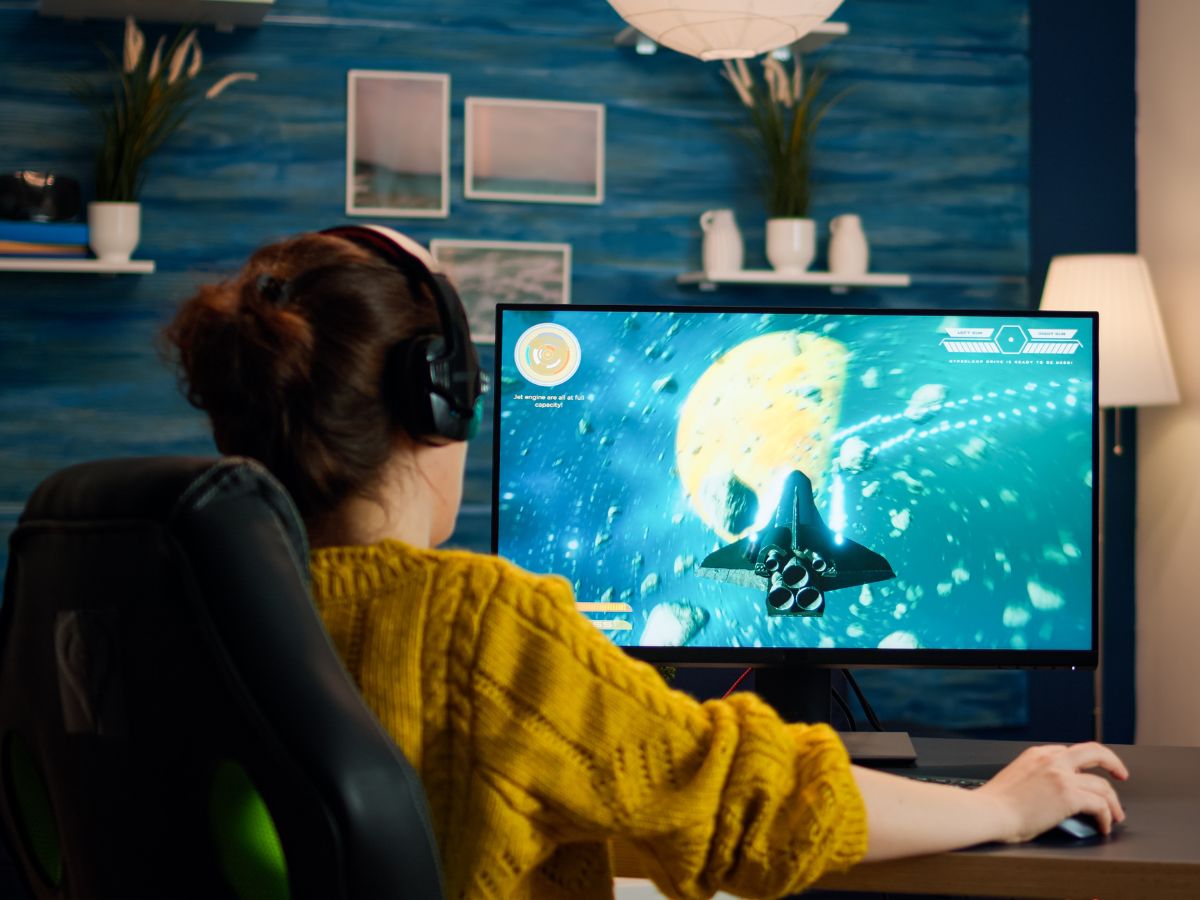
Gaming hasn’t taken over your life. It’s just squeezed itself into the corners. A controller after tea. A mobile game whilst dinner’s in the oven. You promise yourself “one more match” before bed and already know how that turns out.
Before you know it, the day’s done and your body has barely moved. That isn’t a gaming problem. That’s a modern-life problem.
In the UK, gaming now reaches tens of millions of people, roughly the same footprint telly once had. No wonder it slips into daily routines so easily. Some days, games help you unwind. Other days, they pile onto the mental load you’re already carrying from work, family, and the constant hum of being online.
Gaming rarely turns up alone. It arrives with not enough kip, long spells sitting about, skipped movement, and a head that never quite powers down. Sound familiar?
Also Read: The Big 2026 Wellness Shift is Coming and This is What You Need to Know
How games give you a breather
Yes, games can be good for you. Not as dinner. Not as exercise. More like a mental pause button. Clear rules and simple goals bring order when the rest of the day feels messy. Finishing a level gives you a win that actually ends, unlike your inbox.
According to the Entertainment Software Association’s Global Player Survey, 75% of weekly players say gaming provides mental stimulation and stress relief, 64% say it helps them feel happier, and 52% say games helped them through tough times. Not quite therapy, but not nothing either.
75% of weekly players say gaming provides mental stimulation and stress relief.
There’s also the social side. Gaming cuts across generations, with nearly every adult and child having played. Online play feels natural because it removes social friction. No awkward chat. No forced energy. With face-to-face conversation optional, predictable gaming spaces can double as real social spaces, supporting mental fitness for players who find traditional social settings draining. Who knew “let’s squad up” could do that?

When sitting still starts to bite back
So when does rest tip into a rut? Trouble creeps in when play stops feeling like a choice and starts feeling like a chore. Suddenly “one more match” feels less like a break and more like an obligation. You push on when you’re knackered. You stay up later than planned. You wake up already behind. Sleep goes first. Mood and patience follow soon after, and over time that grind starts to matter for your health and longevity.
This pattern doesn’t just live in theory. Parents usually clock the change long before gaming habits reach a clinic. Younger players feel the impact most, mentally and physically. Long sessions without breaks bring fatigue, sore hands, disrupted sleep, and the familiar ache of too much sitting. Anyone else nodding along?
The UK National Centre for Gaming Disorders shows that by the time young people turn up at specialist services, play has tipped into extremes, averaging around ten hours a day. At the sharp end, emotional regulation had already given way. Forty-six percent became aggressive when gaming was interrupted, and 30% turned physically violent. That’s not “just a phase”. That’s off the rails.
Not everyone fits a neat diagnosis. Many people sit in a grey area where gaming disrupts daily life without crossing clinical lines. What matters is that people get involved once support exists. The issue isn’t denial. It’s timing.
Mental health links show up too. ADHD, anxiety, autistic traits, and low mood crop up alongside heavy gaming. When movement drops out of the day, the link between depression and exercise doesn’t exactly vanish. Gaming doesn’t cause these issues on its own, but it can amplify what’s already there.
Put your body, not just thumbs, in the game
Here’s the bit most people miss. Balance doesn’t mean quitting games. It means moving your body enough that sitting still stops running the show. Long spells of inactivity sap your energy and quietly wear you down, making stress management harder.
Balance doesn’t mean quitting games.
One of the easiest ways to do that without giving up gaming is exergaming. Yes, exercise disguised as play. Research published in journals such as Games for Health and BMC Public Health shows that exergaming can boost energy output by up to 300% above resting levels. Your body becomes the controller. You dance, box, duck, and weave as if your living room’s your personal training ground. Still playing. Still having a laugh. Just moving.
Small habits help too. Every 20 minutes, take 20 seconds to look at something about 20 feet away. The 20-20-20 rule, recommended by the American Optometric Association, relaxes your eyes and helps keep stress from quietly building during long gaming sessions.
Enjoy it, don’t drain it
Gaming itself isn’t the villain. The same game can relax you one night and drain you the next, so the real question is simple: how do you feel afterwards?
As mental health conversations continue to open up in Britain, gaming deserves the same grown-up treatment as any modern habit. Used thoughtfully, it fits into your life like a proper cup of tea, not like an all-night caffeine binge.
Remember: Balance is the goal. Not less but better enjoyment.