






































Pilates has never needed hype to remain relevant. In a fitness culture constantly chasing the next big thing, it has persevered by being genuinely useful rather than just making noise. Joseph Pilates devised the method in the 20th century. Its focus on controlled movement, alignment, stability and flexibility still feels contemporary today.
That staying power isn’t down to nostalgia. Public health advice continues to describe Pilates as a low-impact form of exercise that can improve strength, balance, flexibility and posture. Those are the sort of benefits that stand the test of time in a world of desk jobs, doomscrolling and eternally tense shoulders.
So the secret to Pilates’ lasting appeal is simple. It helps people move better in everyday life, and it does so in a way they can maintain. It is a clever, sustainable movement that still deserves its place in modern fitness.
Also read: Let’s Talk About Good Posture and How Simple Pilates is Leading the Way
It solves real-life movement issues
Pilates endures because it addresses the problems modern bodies know only too well: tight hips, stiff backs and rounded shoulders. That end-of-day ache that arrives from too much typing and nowhere near enough moving about. Its exercises are designed to build core support and improve alignment. They also encourage smoother movement patterns rather than simply chasing exhaustion.
This practical focus sits at the heart of the method. Britannica notes that Pilates emphasises stability and flexibility while strengthening the muscles, particularly the core, through controlled movements. In plainer English, it trains the body to organise itself better. That is a more robust selling point than any promise of looking fabulous by Thursday.
The appeal of Pilates toning also makes much more sense when seen properly. Visible changes may be welcome, but the greater benefit is functional. When posture improves and balance sharpens, the body moves with more control. As a result, everyday tasks can feel less awkward and less tiring.
When posture improves and balance sharpens, the body moves with more control.
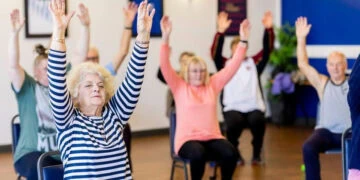
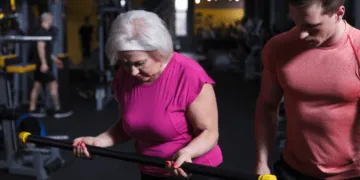
Pilates continues to attract beginners, older adults and seasoned exercisers alike because it offers value without requiring elite athleticism. It rewards attention, consistency and a willingness to move well. That broad appeal helps explain why it remains relevant today.
It fits modern fitness without the punishment
Pilates also feels modern because it fits how many people want to exercise now. Plenty still enjoy tough training, but there’s growing regard for approaches that challenge the body without battering it. The NHS describes Pilates as low-impact and points to its benefits for strength, flexibility and balance.
That low-impact aspect really does matter. A routine doesn’t become sustainable by leaving people feeling knackered after every session. Pilates can be challenging, but its difficulty generally comes from control, precision and muscular endurance rather than from frantic impact. It can have someone trembling quietly while appearing almost suspiciously civilised.
There is also evidence to support some of its most repeated claims. Cochrane reports that Pilates was probably better than minimal intervention for reducing pain and disability in people with chronic low back pain over the short and intermediate term. However, it wasn’t clearly better than other forms of exercise overall. That supports Pilates without pretending it’s magic in leggings.
Recent reviews also suggest Pilates can improve balance and reduce indicators associated with falls in older adults, although researchers still point out limitations with the reliability of the evidence. That caution doesn’t undermine the method. It keeps the claims realistic.
Recent reviews also suggest Pilates can improve balance and reduce indicators associated with falls in older adults, although researchers still point out limitations with the reliability of the evidence. That caution doesn’t undermine the method. It keeps the claims realistic.
The mental side helps as well. Pilates places an unusual emphasis on concentration and breath control. NHS guidance on breathing exercises backs the broader idea that controlled breathing can help ease stress and tension. This may help explain why so many people leave a class feeling steadier and somewhat less at war with their shoulders.
It delivers results that people can maintain
The final part is sustainability. Pilates doesn’t rely on novelty to keep people interested. It depends on repeatable benefits. When a method helps someone stand better, move more freely and feel stronger without knackering the joints, it becomes easier to build it into a routine and stick with it for years.
That’s a rare advantage in modern fitness, where enthusiasm often blazes bright then fizzles out before the reusable water bottle even goes walkabout. Pilates rewards patience rather than drama. Progress may be subtle at first, but that doesn’t make it insignificant. It usually means the changes are bedding in as movement habits rather than just being borrowed for a month.
The best Pilates workout tips are almost delightfully unflashy. Breathe properly. Move with control. Focus on quality over quantity. Keep turning up.
Pilates never goes out of style because it wasn’t built for hype. It’s built for ordinary bodies, busy schedules and benefits that last. That might not sound showy, but then, neither does smashing posture until it walks into the room.