




























































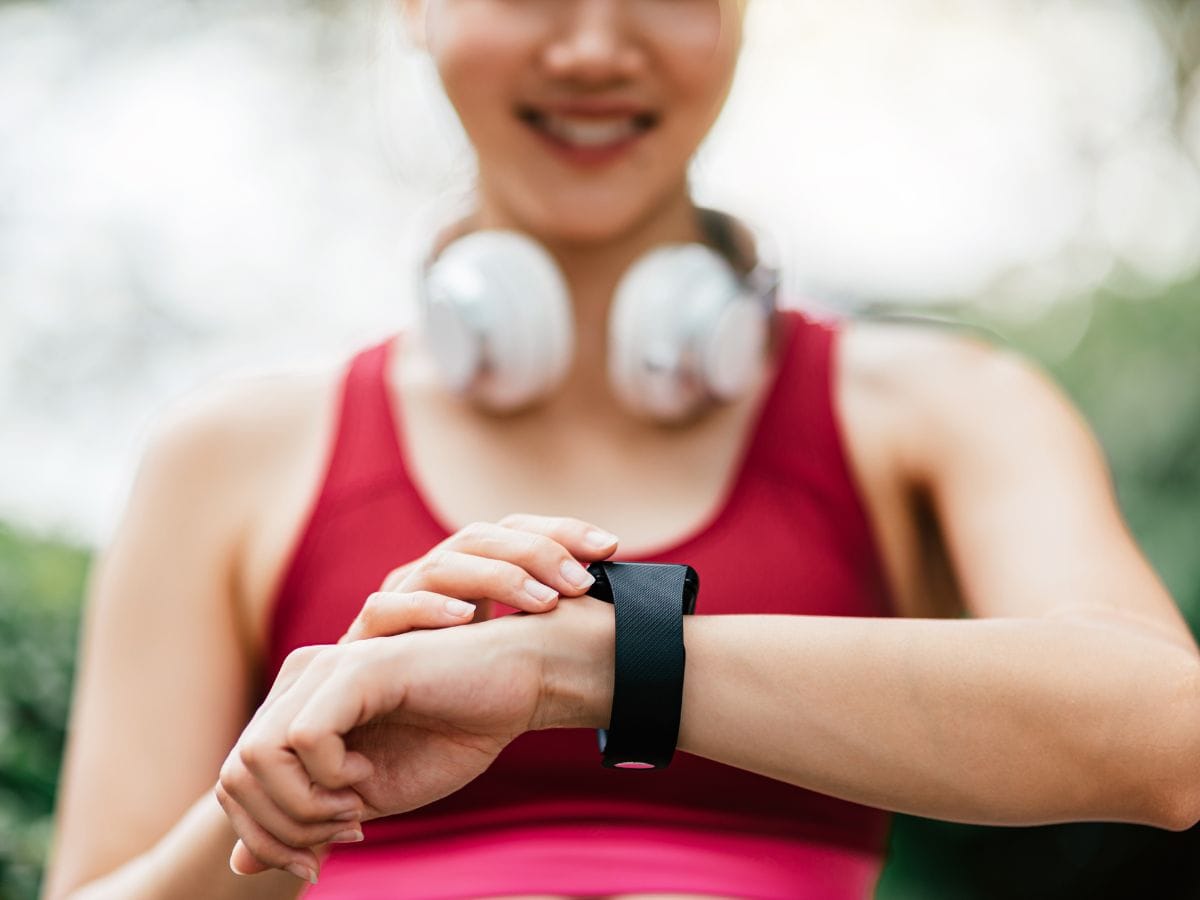
If you thought 2025 would be all about new workouts or diet crazes, think again. The real game-changer this year is wearable tech, and it’s quietly reshaping how we approach health and fitness. From advanced smartwatches that monitor oxygen levels to trackers that whisper insights about your kip, the gadgets on our wrists are no longer accessories but personal coaches.
The best bit? They’re getting smarter, sleeker and more woven into the rest of our lives.
Smarter Tracking, Sharper Workouts
Step counters feel almost old-school now. Today’s wearables dig deeper, measuring everything from heart-rate variability to stress levels in real time. Devices like the Apple Watch Ultra 3, which now boasts satellite connectivity and beefed-up health metrics, show just how far the tech has leapt. These numbers aren’t just for show; they help athletes tailor training plans and allow coaches to make sharper calls about performance and recovery.
Artificial intelligence adds another layer. By crunching data over time, wearables can flag when you’re edging towards burnout or suggest when to push harder. Imagine your watch giving you a nudge with, “Fancy swapping that heavy session for a bit of yoga today?” It sounds futuristic, but it’s already happening.
Platforms such as Train Fitness go one better, blending AI analytics with Apple Watch integration to dish out feedback that feels almost like having a personal trainer tucked up your sleeve.
And let’s be honest, nothing motivates quite like real-time feedback. A gentle buzz on your wrist reminding you you’ve been parked too long, or a cheerful notification telling you you’ve smashed your daily target, makes the graft feel worthwhile. It turns exercise from a lonely slog into an interactive experience, keeping you more accountable than a mate who always bins off gym plans at the eleventh hour.
Also Read: The ŌURA Ring: Sleek Wearable or Just Style Over Substance?

Beyond the Gym and Into Everyday Life
The evolution of wearables isn’t confined to sport. These bits of kit are sliding seamlessly into daily routines, hooking up with nutrition apps, mental-health trackers and even environmental sensors that flag dodgy air quality.
The result is a more holistic view of wellbeing, because fitness is rarely just about the gym. It’s about how you sleep, what you eat and whether you’re frazzled from the morning commute.
Take mental health, for example. Some devices now track patterns in breathing or subtle shifts in heart rate that may hint at rising anxiety. Pair this with a mindfulness app, and you’ve got a pocket-sized wellbeing companion nudging you to take a breather before things spiral. It’s not therapy, of course, but it’s a crafty tool for keeping tabs on your emotional health alongside the physical.
Community is another big win. Wearables plug into online platforms where you can join challenges, compare stats or cheer on pals. The buzz of competition keeps people motivated, and the sense of belonging is often as valuable as the metrics themselves.
After all, who doesn’t enjoy a small digital pat on the back after a 10k?
The Future of Fitness Tech
Of course, with great data comes great responsibility. Privacy and security loom large, and both regulators and manufacturers are under pressure to ensure sensitive health information is handled with care. Beefier encryption, clearer consent and transparent policies are becoming standard features, not afterthoughts. Without them, trust in the tech simply won’t last.
The innovation doesn’t stop there. Expect wearables to keep branching out: tracking hydration, monitoring glucose levels without needles and even synchronising with smart clothing that adjusts to your body temperature. The possibilities stretch far beyond step counts and sleep cycles.
So, will wearables define the future of fitness? Absolutely. They’re not replacing hard graft, but they are making it smarter, safer and—dare we say—more fun. Whether you’re chasing a marathon PB, mastering a new yoga flow, or simply aiming to get off the sofa a little more often, wearable tech is set to be the loyal sidekick egging you on.
The real question isn’t whether you’ll use it, but how soon you’ll wonder how you ever coped without it.