















































If you’ve ever watched someone at the gym furiously shake a protein bottle while giving broccoli the side-eye, you’ve seen one of fitness culture’s oldest debates. For years, athletes were told that swapping steak for spinach was the quickest way to lose hard-earned muscle. Now a plant-based diet for athletes is moving from fringe idea to podium-ready strategy.
Tennis stars Novak Djokovic and Venus Williams, along with Formula 1 champion Lewis Hamilton, are among the biggest names to embrace plant-focused eating. Does that put broccoli on the banned substances list? Hardly. But it has left plenty of everyday gym-goers wondering whether they are missing a trick.
Tennis stars Novak Djokovic and Venus Williams, along with Formula 1 champion Lewis Hamilton, are among the biggest names to embrace plant-focused eating. Does that put broccoli on the banned substances list? Hardly. But it has left plenty of everyday gym-goers wondering whether they are missing a trick.
The short answer is that plants can pull their weight. Research suggests a well-planned plant-based diet can supply the protein, energy and nutrients needed to train hard, recover faster and perform at a high level. Legumes, whole grains, nuts, seeds and leafy greens all bring something useful to the table, from muscle-building amino acids to antioxidants that help calm post-training inflammation.
A bowl of vegetables won’t turn you into a champion overnight, and getting it right takes a little planning. Here is what the science says and how to make plant power work for your training.
Also read: Eat Smart and Feel Good with Sustainable Weight Loss That Actually Works
What plant-based eating does
Ever wondered why your legs feel like jelly after a tough workout? Every training session creates tiny muscle tears that lead to inflammation and fatigue. That’s a normal part of getting stronger.
Plant foods can help speed up the recovery process. Fruits, vegetables, pulses, whole grains, nuts and seeds provide antioxidants, phytonutrients, complex carbohydrates and plant protein that support muscle repair, replenish energy stores and may improve aerobic performance without compromising strength.
Fruits, vegetables, pulses, whole grains, nuts and seeds provide antioxidants, phytonutrients, complex carbohydrates and plant protein that support muscle repair, replenish energy stores and may improve aerobic performance without compromising strength.
The benefits extend beyond the gym. Research has linked plant-based diets with healthier body weight, improved heart health, lower overall mortality and a reduced risk of metabolic diseases. The Adventist Health Studies, which followed more than 30,000 participants, also found that people eating predominantly plant-based diets generally enjoyed longer life expectancy.
Plant-based foods for athletes
Not every plant food serves the same purpose. Some help power your workouts, while others shine after you’ve crossed the finish line. Building your meals around both gives your body the fuel it needs before exercise and the nutrients it needs afterward.
Best foods for training
Before a workout, the goal is steady energy that won’t disappear halfway through your session. Complex carbohydrates are your best friend because they replenish glycogen stores and release energy gradually. Good choices include:
- Porridge: Slow-digesting carbohydrates help keep you energised through longer workouts.
- Brown rice: Replenishes glycogen stores before endurance and high-intensity sessions.
- Sweet potatoes: Rich in potassium to support muscle function while providing long-lasting fuel.
- Wholegrain bread or pasta: Delivers sustained energy for extended training sessions.
- Bananas: Easy to digest and naturally high in potassium, making them an ideal pre-workout snack.
- Quinoa: Provides complete protein alongside complex carbohydrates for balanced nutrition.
- Lentils and chickpeas: Combine plant-based protein with complex carbohydrates to support demanding workouts.
These foods provide lasting energy, helping athletes train longer without the sharp highs and crashes often associated with sugary snacks.
Best foods for recovery
Once the workout is over, the focus shifts to repairing muscle tissue and reducing inflammation. This is where protein, antioxidants and healthy fats become especially important. Some of the best recovery foods include:
- Tofu and tempeh for high-quality plant protein.
- Beans and lentils to replenish protein and carbohydrates.
- Sour cherries to help reduce muscle soreness.
- Beetroot juice to support blood flow and oxygen delivery.
- Walnuts and flaxseeds for plant-based omega-3 fatty acids.
- Fruit smoothies with leafy greens and plant protein powder for an easy post-workout meal.
Recovery doesn’t end when you leave the gym. Giving your body the right nutrients afterward can help you return stronger and better prepared for your next workout.
Build a balanced plate
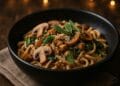
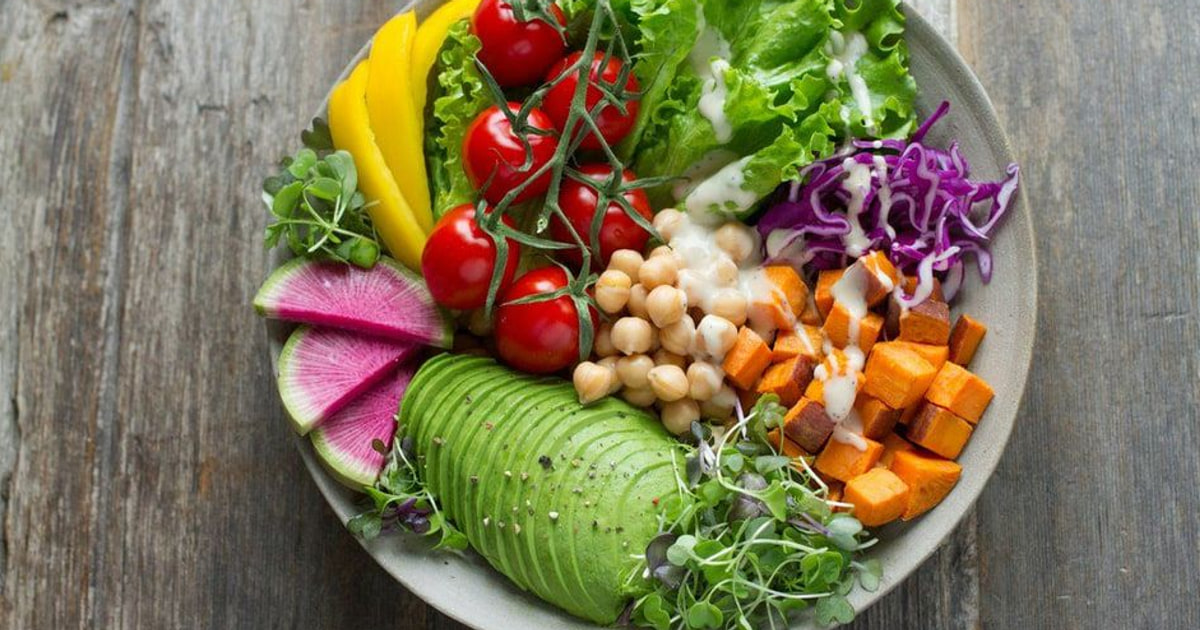
You don’t need to eat every superfood in one sitting. A balanced meal that combines complex carbohydrates, plant-based protein, healthy fats, and colourful vegetables usually covers most of what athletes need. For example, a quinoa bowl with tofu, roasted sweet potatoes, leafy greens and avocado provides energy, protein and essential nutrients in a single meal.
A balanced meal that combines complex carbohydrates, plant-based protein, healthy fats, and colourful vegetables usually covers most of what athletes need.
Don’t overlook these nutrients
No matter when you eat them, certain nutrients deserve special attention. Iron supports oxygen transport and is absorbed more efficiently when paired with vitamin C-rich foods such as oranges or peppers.
Calcium helps maintain strong bones, while zinc supports immune function and tissue repair. Vitamin B12 is another key nutrient, and because dependable plant sources are limited, supplementation is generally recommended for people following a fully plant-based diet.
Getting meal timing right
What you eat is important, but eating it at the right time can help you get more from every workout. Think of your body as a high-performance engine. It performs best when the right nutrients arrive before the hard work begins. Nutrition experts generally recommend:
- One to three hours before training: Eat a carbohydrate-rich meal such as porridge with berries, avocado on wholegrain toast, or a banana with nut butter.
- During workouts lasting longer than 75 to 90 minutes: Refuel with quick carbohydrates like dates, fruit or energy gels.
- After exercise: Aim for roughly a 3:1 or 4:1 carbohydrate-to-protein ratio to replenish glycogen and support muscle repair. A quinoa bowl with tofu or a fruit smoothie with plant protein both work well.
Rather than chasing the latest superfood, focus on eating balanced meals throughout the day. Consistency usually delivers better results than relying on a single post-workout snack.