




































Muscle mass tends to peak sometime in your thirties, and then it starts a slow decline that speeds up with every decade after. That’s true whether or not you’re doing anything about your weight, and it’s one of the least talked-about facts in fitness content aimed at women.
Add a weight loss injection into the mix, where appetite drops and total food intake falls, and the question of how to keep muscle while losing weight female readers are asking becomes genuinely worth answering properly, rather than with a vague nod to “eat healthy and move more.”
Why This Matters More In Your Thirties Than People Realise
There’s an assumption that muscle loss is an older person’s problem, something to think about at 55 rather than 35. The research doesn’t back that up. Muscle mass peaks in our thirties and then begins a long, gradual decline that continues for the rest of life unless something actively counters it. That decline is called sarcopenia when it becomes significant, and it disproportionately affects women.
None of this is meant to alarm you. It’s meant to explain why the habits in this piece matter now, not in twenty years’ time. The earlier you build them in, the less ground you have to make up later.
Also read: The Maintenance Phase After Weight Loss Injections Nobody Explains
Habit One. Protein, Sized For Where You Are Now
This is where how to keep muscle while losing weight female guidance most often goes wrong, either ignoring protein entirely or throwing out a generic figure that doesn’t account for age or activity. For women in your thirties, the evidence points somewhat higher than the standard RDA.
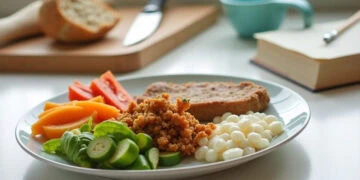
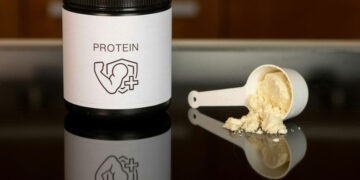
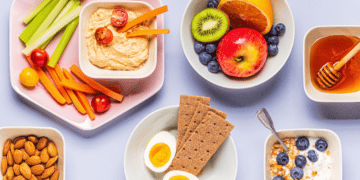
Guidance built around this age group puts protein for women in their 30s weight loss at roughly 1.2 to 1.8 grams per kilogram of body weight a day, meaningfully above the older, more general 0.8 gram recommendation most people have heard of.
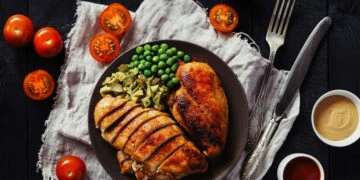
In practice, that means protein at every meal, not just at dinner, and paying particular attention to breakfast, which tends to be the meal most people under-serve on protein without realising it.
Habit Two. Resistance Training, Even In Small Doses
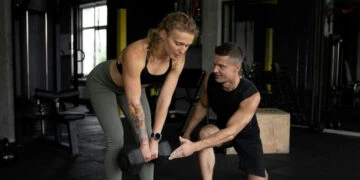
Protein alone isn’t the full answer. It needs something to signal to your body that the muscle you’re eating for is actually being used. In a six-month study of adults who were coached on resistance training alongside protein intake when they started a GLP-1 medicine, they lost roughly 13% of their body weight but only around 3% of it came from muscle, a far better outcome than muscle loss figures reported without that kind of support in place.
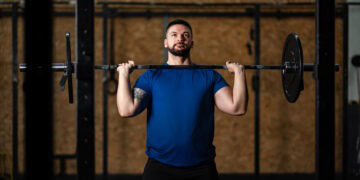
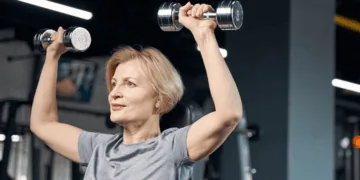
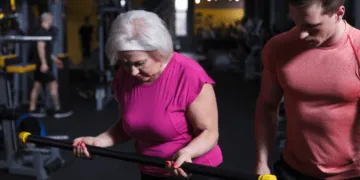
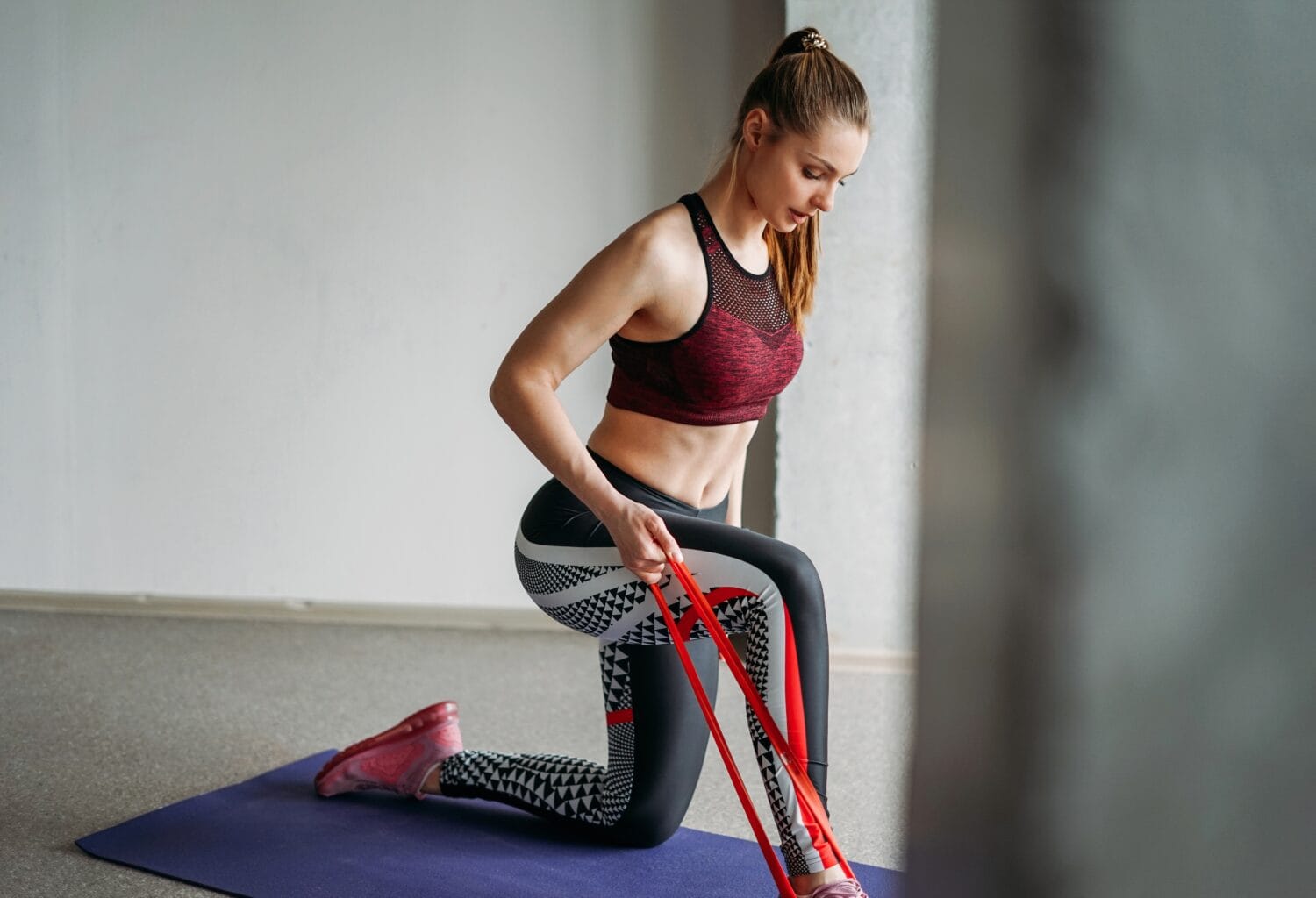
This doesn’t require a gym membership or hours of your week. Two sessions of resistance work, using bands, bodyweight or light weights, is a genuinely meaningful starting point. Squats, rows, a few pushes and pulls, nothing complicated.
Habit Three. Recovery That Actually Happens
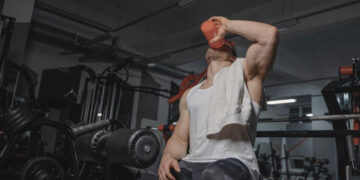
The third habit is the one most often skipped entirely, and it’s recovery. Muscle isn’t built during a workout. It’s built afterwards, while you’re resting, and that means sleep and rest days aren’t optional extras sitting outside the plan. They’re part of it. Training hard on too little sleep, or back to back with no rest between sessions, blunts a lot of the benefit of the first two habits, even when protein and resistance training are both genuinely in place.
Training hard on too little sleep, or back to back with no rest between sessions, blunts a lot of the benefit of the first two habits, even when protein and resistance training are both genuinely in place.
For a busy thirty-something juggling work and everything else life throws at this decade, this is often the habit that gets sacrificed first. It’s worth protecting deliberately rather than letting it be whatever’s left over once everything else is done.
Putting The Three Together
None of these three habits do much on their own. Protein without resistance training gives your body the raw material with nothing telling it what to do with it. Resistance training without enough protein leaves your body short of what it needs to actually rebuild. And both without recovery mean you’re working against yourself rather than with yourself.
Together, they cover the genuine answer to how to keep muscle while losing weight female readers keep searching for, and none of it requires drastic lifestyle change. It’s protein at each meal, two short strength sessions a week, and protecting your sleep as seriously as you’d protect a work deadline.
What This Looks Like Week To Week
A realistic version of this might look like starting each meal with a protein source, whether that’s eggs, chicken, fish, tofu or Greek yoghurt, then building in two twenty-minute resistance sessions, one early in the week and one later, with at least a day of proper rest either side. It’s not about perfection. It’s about the pattern holding up most weeks, rather than any single day being flawless.
It’s not about perfection. It’s about the pattern holding up most weeks, rather than any single day being flawless.
If you’re new to resistance training altogether, starting small and building confidence matters more than starting heavy. A short, simple routine you’ll actually repeat beats an ambitious one you abandon after a fortnight.
Where This Leaves You
If you’ve been wondering how to keep muscle while losing weight female bodies specifically need to think about, the answer isn’t complicated, even if it does take some consistency to stick with. Protein at every meal, resistance training twice a week, and recovery treated as part of the plan rather than an afterthought.
Your thirties are exactly the right time to start building these habits, not because anything’s gone wrong yet, but because this is the decade where the groundwork genuinely pays off later.