













































There’s a fear that comes up in almost every conversation about weight loss injections, and it usually gets phrased the same way.
The drug is eating your muscle. It sounds almost sinister when it’s put like that, as if the medicine itself is targeting the wrong tissue. The reality is more mundane and, honestly, more useful.
Muscle loss on weight loss injections is a real thing worth taking seriously, and knowing how to not lose muscle on weight loss jabs starts with understanding what’s actually driving it, which isn’t the pharmacology so much as what happens to how much you move once your appetite quiets down.
Also read: The Maintenance Phase After Weight Loss Injections Nobody Explains
What The Drug Actually Does
GLP-1 medicines reduce appetite, and a body eating less generally loses some lean tissue alongside fat, whether that weight loss comes from a medicine, a diet or anything else. A meta-analysis pooling seven randomised trials found that the average percentage of lean mass in the body actually rose slightly on these medicines, even as absolute lean mass dropped by around three percent alongside the fat loss.
That’s a real number, but it’s a modest one, well within what shows up during ordinary weight loss through diet alone. Nothing about that figure suggests the drug is specifically hunting for muscle.
So if the medicine isn’t the main story, what is.
The Part Nobody Puts In The Headline
A study presented at ENDO 2026, the Endocrine Society’s annual meeting, tracked daily step counts in 753 people with obesity before and after they started a GLP-1 medicine, using linked Fitbit and health record data. The result was a clear, measurable drop. Average daily steps fell from just over 5,000 to under 4,500, and daily moderate-to-vigorous activity minutes dropped too. The decline was largest in men and in people already dealing with joint or muscle pain.
That’s the piece that rarely makes it into the conversation about muscle loss on weight loss injections. As appetite drops and weight starts coming off, people don’t automatically move more. Quite often, the opposite happens. Less food can mean less energy, and a body that’s carrying less discomfort or pain from excess weight doesn’t necessarily translate into someone walking further or lifting anything heavier. Movement has to be chosen. It doesn’t arrive on its own just because the number on the scale is going down.
Movement has to be chosen. It doesn’t arrive on its own just because the number on the scale is going down.
And movement is exactly what protects muscle during any period of weight loss. Without it, the body has less reason to hold onto the tissue it’s not using.
How To Not Lose Muscle On Weight Loss Jabs
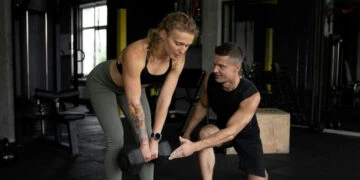
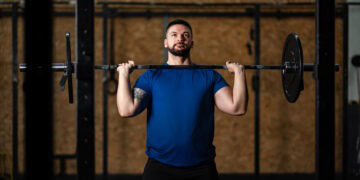
This is where the story gets genuinely encouraging, because it shows the outcome isn’t fixed. In a six-month study of 200 adults who were specifically coached on resistance training and protein when they started semaglutide or tirzepatide, they lost roughly 13% of their body weight, but only about 3% of it came from muscle.
That’s a strikingly similar figure to the general lean mass loss reported across trials as a whole, which suggests that with the right support in place, people on these medicines aren’t losing meaningfully more muscle than anyone else losing weight through more conventional means.
The difference between a discouraging outcome and a fine one isn’t the drug dose. It’s whether resistance training and enough protein are part of the picture from early on. That’s really the whole answer on how to not lose muscle on weight loss jabs, and none of it requires becoming a gym person overnight.
The step count study didn’t find that people needed to train for hours. It found that ordinary daily movement, the kind that happens without thinking about it, tends to quietly drop once appetite changes, and that drop is worth noticing and correcting for on purpose. A short daily walk, two brief resistance sessions a week, and a bit more attention to protein at meals cover most of what the evidence points to.
The step count study didn’t find that people needed to train for hours. It found that ordinary daily movement, the kind that happens without thinking about it, tends to quietly drop once appetite changes, and that drop is worth noticing and correcting for on purpose.
It’s also worth saying plainly that some muscle loss during any significant weight loss is normal and expected, medicine or not. The goal isn’t to stop it completely. It’s to keep it proportionate, so most of what comes off is fat rather than the tissue that keeps you strong and capable long term.
Where This Leaves You
Muscle loss on weight loss injections isn’t a mysterious side effect hiding in the drug itself. It’s mostly the predictable result of eating less while moving the same amount, or less, than before. If you’ve been searching for how to not lose muscle on weight loss jabs, the honest answer is that it comes down to two things you can control, walking and resistance work, rather than anything about the medicine itself.
You can’t control your appetite hormones directly. You can control whether you take a walk today and whether resistance training is part of your week.