


















































With National Smile Month in the UK, organised by the Oral Health Foundation, running from 11 May to 11 June 2026, there’s no better time to shine a light on the often-overlooked connection between nutrition and oral health.
When we think about keeping our teeth and gums healthy, brushing, flossing and regular dental check-ups usually top the list. But what we eat can have a significant impact too, influencing everything from inflammation levels to gum health and enamel protection.
When we think about keeping our teeth and gums healthy, brushing, flossing and regular dental check-ups usually top the list. But what we eat can have a significant impact too, influencing everything from inflammation levels to gum health and enamel protection.
For Juliette Reeves, an award-winning Dental Hygienist and Nutritionist with more than 40 years of experience in healthcare, nutrition and dentistry, food is about far more than simply fuelling the body. It’s a powerful tool for managing inflammation, supporting immunity and promoting long-term oral health.
Over the years, Juliette has developed a particular interest in how nutrition influences gum health, especially when combined with factors such as stress, hormonal fluctuations and lifestyle habits.
“Healthy eating should support the body in doing what it’s designed to do,” she explains. “That means maintaining steady energy, regulating blood sugar, building and repairing tissues, and keeping the immune system resilient.”
“Healthy eating should support the body in doing what it’s designed to do”
But that doesn’t mean restriction.
For Juliette, food is one of life’s great pleasures, and her approach is rooted in balance rather than rigid rules. She focuses on nutrient-dense, minimally processed foods most of the time, while still making space for flexibility and enjoyment.
Here’s what a typical day of eating looks like for her.
Also read: My Food Diary: What I Eat to Keep Running, Training and Crushing Goals

Starting the day gently
Juliette’s mornings begin according to her schedule.
On clinical days, she’s up at 6am and starts with a small glass of hot water infused with fresh ginger. “It helps stimulate the digestive tract as the body wakes up,” she says.
One thing she consciously avoids? Lemon water. While often praised in wellness circles, Juliette points out that its acidity can contribute to enamel erosion over time, potentially increasing tooth sensitivity and the risk of decay.
Breakfast usually follows around 7am and is designed to provide steady energy for a busy morning with patients.
Breakfast usually follows around 7am and is designed to provide steady energy for a busy morning with patients.
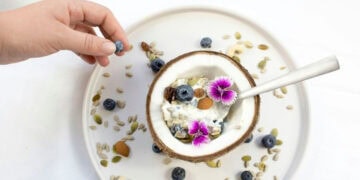
Her go-to options include scrambled eggs with spinach on sourdough, or Greek yoghurt topped with sugar-free granola, nuts, seeds and fresh fruit, always accompanied by what she calls her “obligatory cup of builders tea.”
The focus is on combining protein, fibre and complex carbohydrates to maintain stable blood sugar and sustained concentration through to lunchtime.
Weekends, however, are a little different.
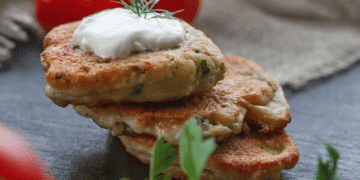
Breakfast becomes a slower, more indulgent affair, often featuring homemade high-protein almond flour pancakes with blueberries and Greek yoghurt, or poached eggs with smoked salmon, sautéed tomatoes, mushrooms and homemade hollandaise. A reminder that healthy eating can still feel special.
The power of a prepared lunch
Lunch is always at 1pm on clinical days.
That consistency matters to Juliette, helping her avoid skipped meals and the energy dips that often follow.
Preparation is key. She typically packs lunch the night before, often making use of leftovers from dinner.
A typical lunch might include grilled chicken, tuna or salmon with wholegrain rice, avocado, peppers, mushrooms, broccoli, courgettes and leafy greens.
“It’s a chance to eat the rainbow,” she says. The brighter and deeper the colour of vegetables, the richer they tend to be in antioxidants, which support immunity, gut health and healthy inflammatory responses.
“It’s a chance to eat the rainbow,” she says. The brighter and deeper the colour of vegetables, the richer they tend to be in antioxidants, which support immunity, gut health and healthy inflammatory responses.
Her meals are usually finished with a flavour-packed dressing made with oils such as avocado, flaxseed or sesame, alongside anti-inflammatory herbs and spices like turmeric, oregano, garlic, paprika and ginger.
Fresh fruit is always included too, usually whatever is seasonal and portable.
When it comes to sweeter fruits such as banana or pineapple, Juliette pairs them with protein-rich foods like yoghurt or cottage cheese to help slow sugar absorption and avoid blood sugar spikes.

Keeping dinner simple
After a full clinical day, Juliette usually gets home around 6.30pm.
Dinner needs to be nourishing, quick and easy. One of her favourite evening meals is pan-fried salmon with green beans, tenderstem broccoli and air-fried sweet potato roasted with olive oil, garlic and ginger.
Simple, balanced and ready in under 20 minutes. This meal provides quality protein, fibre and healthy fats while still feeling light enough to support one of Juliette’s regular habits: overnight fasting.
Simple, balanced and ready in under 20 minutes. This meal provides quality protein, fibre and healthy fats while still feeling light enough to support one of Juliette’s regular habits: overnight fasting.
She typically finishes eating by 7pm and waits until 7am to eat again. For her, this 12-hour fasting window supports digestion, metabolic health and gives the gut time to rest and repair.
Unlike daytime fasting, which she finds disrupts her energy levels, overnight fasting feels realistic and sustainable.
Smart snacking
Juliette is realistic about snacks.
Long gaps between meals can cause energy dips, but sugary convenience snacks can create sharp rises and crashes in blood sugar, while also increasing the risk of tooth decay. To stay ahead of temptation, she always keeps nourishing options nearby.
A handful of nuts and seeds, raw vegetables or apple slices with sugar-free nut butter are her usual choices.
When she’s had time to bake over the weekend, she might also have homemade wholemeal oat muffins, date and rhubarb loaf or high-protein baked waffles on hand. These often double as quick grab-and-go breakfasts.
Hydration habits
Water is Juliette’s drink of choice throughout the day. “It’s the most effective way to stay hydrated,” she says.
Good hydration supports energy, digestion, focus and oral health by helping maintain saliva production, which plays an important protective role in the mouth.
She avoids fizzy drinks and sugary beverages, noting that they can increase the risk of enamel erosion and decay.
Tea still has its place though. Builders tea remains a daily staple, usually limited to two cups.
Her overall philosophy
If there’s one theme that runs through Juliette’s approach, it’s this: consistency beats perfection.
She prioritises a Mediterranean-style way of eating rich in vegetables, fruit, whole grains, nuts, seeds, healthy fats and fish, while limiting ultra-processed foods and added sugars. This style of eating has been increasingly linked to benefits for both general health and oral health.
She prioritises a Mediterranean-style way of eating rich in vegetables, fruit, whole grains, nuts, seeds, healthy fats and fish, while limiting ultra-processed foods and added sugars. This style of eating has been increasingly linked to benefits for both general health and oral health.
But she’s equally clear that flexibility matters. “I prefer to think in terms of ‘more often’ choices rather than rigid rules,” she says.
That mindset makes healthy eating sustainable, enjoyable and far easier to maintain for life.
And perhaps that’s the real lesson from Juliette’s food diary: supporting your health, including your oral health, doesn’t have to mean restriction.
Sometimes, it’s simply about making thoughtful choices, one meal at a time.
Visit Juliette’s website here and the Perio-Nutrition website here.